September 29, 2026
The modern household relies heavily on a variety of appliances, and when one fails, it can disrupt your daily life considerably. While the tendency might be to immediately think about replacement, there are instances where repairing your appliance might be the more effective solution. Here, we'll provide a comprehensive guide on decision-making factors that determine whether appliance repair is your best move. By delving into the various aspects of appliance lifespan, common issues, financial considerations, DIY options, and professional repairs, you'll be equipped with the knowledge to make informed decisions. A thoughtful approach not only saves money but also reduces environmental impact.
Understanding the Lifespan of Appliances
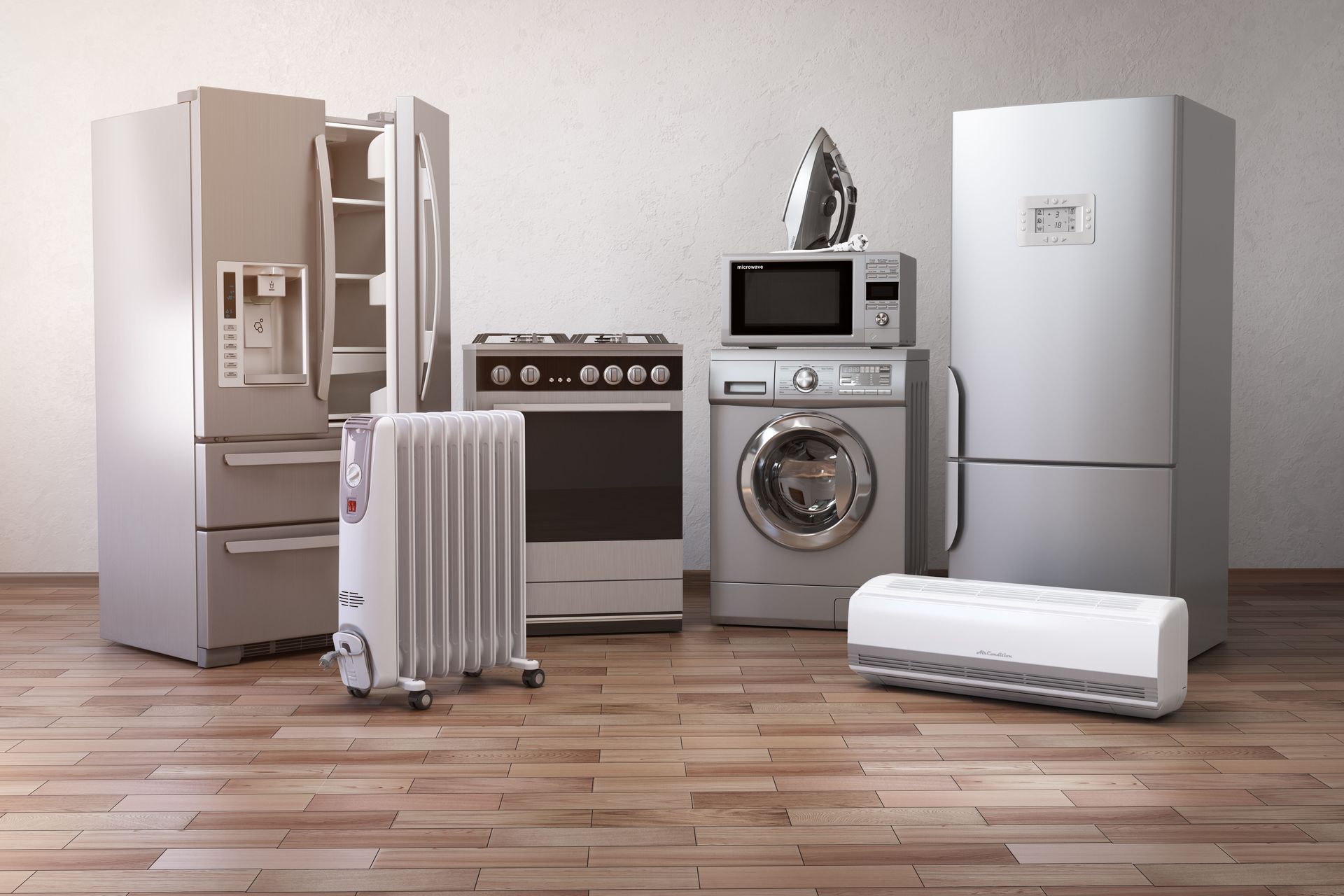
Household appliances have varied lifespans, often depending on their make and usage. For example, refrigerators typically last about 13 years, while washing machines might give you around a decade of service. Dishwashers tend to have a lifespan of approximately nine years. Knowing these averages is crucial in deciding whether to repair or replace an appliance. It's generally recommended to repair appliances that are under ten years old, especially if they are still in good condition.
Recognizing when an appliance is reaching the end of its life can save you from sudden disruptions. Common warning signs include unusual noises, excessive vibration, or inconsistent performance. If an appliance requires frequent repairs or uses more energy than before, it may be nearing its demise. Monitoring its performance can help you decide whether a repair is worth it or if a replacement would be more prudent. Understanding these signs ensures minimal disruption to your daily routine.
Conducting a cost-benefit analysis between repair and replacement involves more than just financial considerations. You need to factor in the appliance's age and the cost of repairs versus buying new. A useful guideline is the 50% rule: if the repair costs more than 50% of the value of a new appliance, replacement might be a better choice. Additionally, consider how much longer the appliance will last after a repair. Together, these factors help you make a well-rounded decision.
Warranties play a crucial role in the decision-making process of appliance repair. If an appliance is still under warranty, the cost of repairs may be covered, repairing a logical choice. It's vital to understand the terms of the warranty, including what parts and labor are covered. In some cases, warranties can even be transferred when purchasing a used appliance, providing additional peace of mind. Understanding warranty terms can drastically influence your repair versus replacement decision.
The environmental consequences of replacing appliances are significant and complex. Manufacturing new appliances requires substantial raw materials and energy, contributing to environmental degradation. On the other hand, repairs usually have a smaller ecological footprint by extending the lifespan of existing appliances. As more consumers become eco-conscious, the environmental impact becomes a compelling factor in their decision-making process. Repairing instead of replacing offers a greener, more sustainable choice.
Identifying Common Appliance Problems
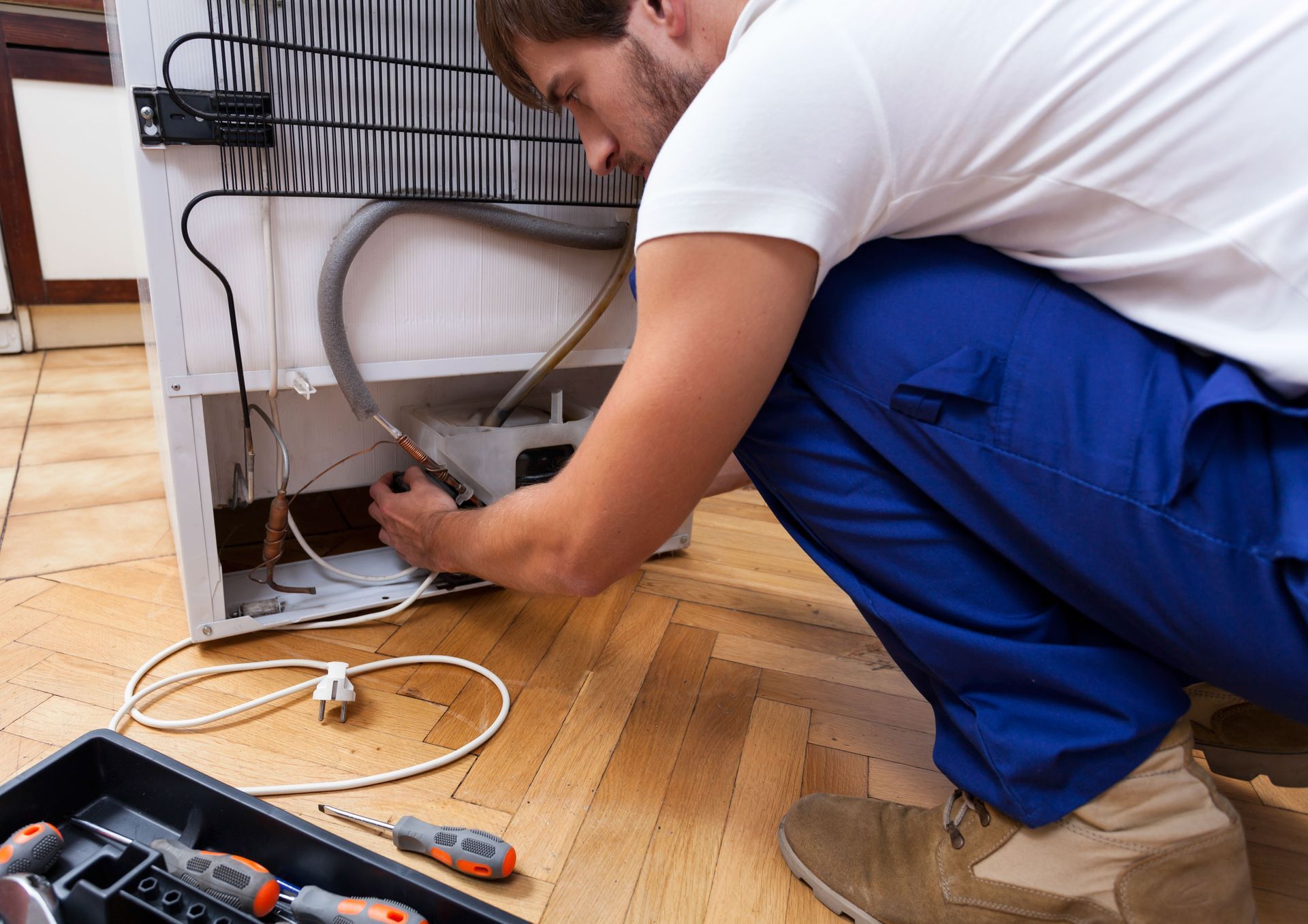
Refrigerators, due to their continuous operation, are prone to specific problems over time. Common issues include cooling problems, which may arise from faulty thermostats or blocked vents. Another frequent concern is water leakage, often caused by clogged defrost drains. Recognizing these problems early can prevent more significant, costly issues later on. Regular maintenance checks can also aid in identifying potential problems before they escalate.
Washers and dryers often encounter issues like drum malfunction or motor problems. A washer that doesn't spin could indicate issues with the belt or motor, while dryers may refuse to start due to a faulty thermal fuse. Detecting these issues in a timely manner can save money and prolong the appliance's life. Regular cleaning of lint traps and checking hoses can prevent many common issues. Pay attention to unusual noises as they often signal a need for inspection.
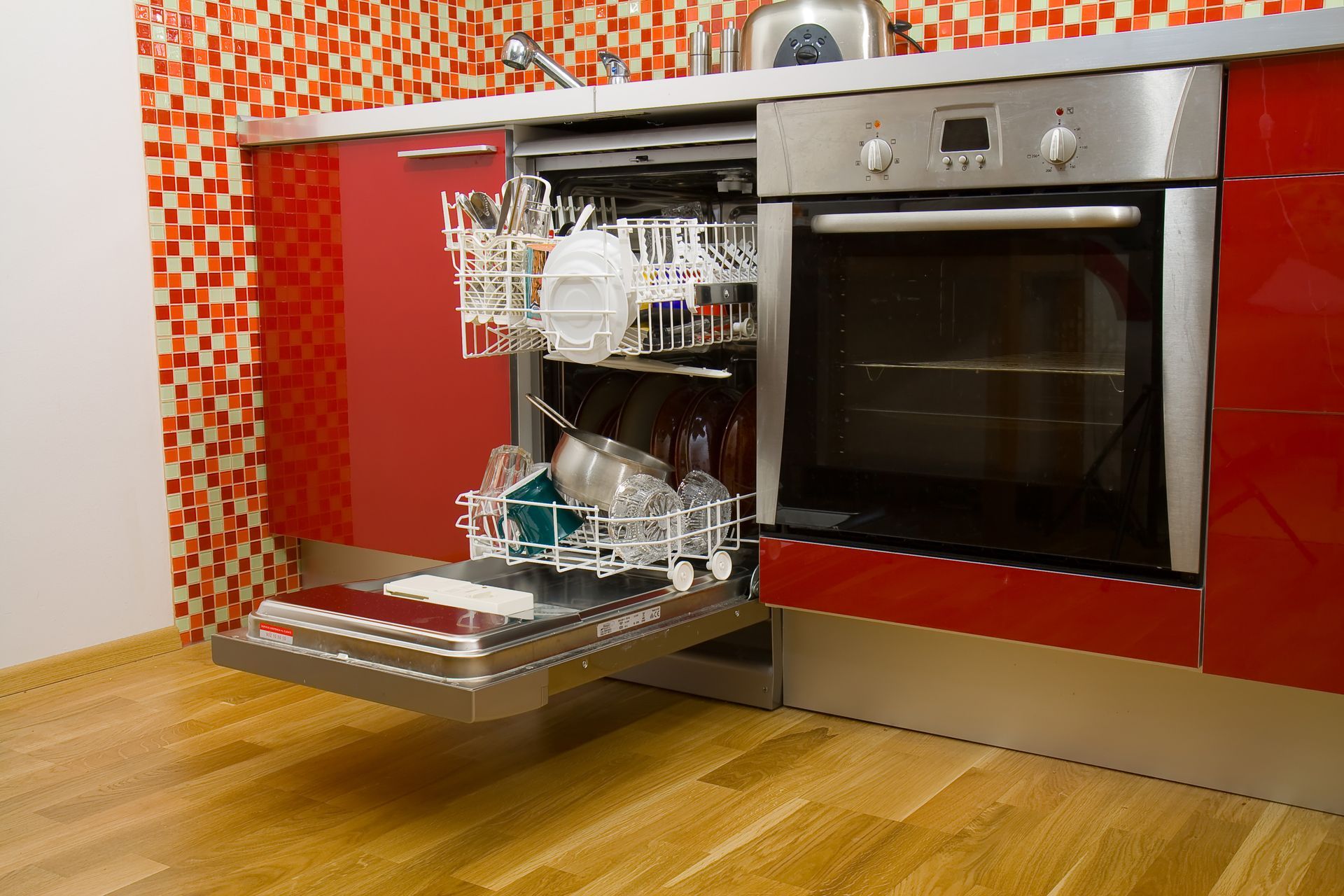
Dishwashers are convenient but can present several challenges, such as water leakage or insufficient cleaning. Leaks are often the result of faulty door seals or cracked hoses, while performance issues could originate from clogged spray arms or malfunctioning pumps. Regular maintenance like cleaning filters can prevent many problems. Addressing minor issues promptly can prevent larger, more expensive repairs down the line. Understanding these common failures helps in timely diagnosis and repair.
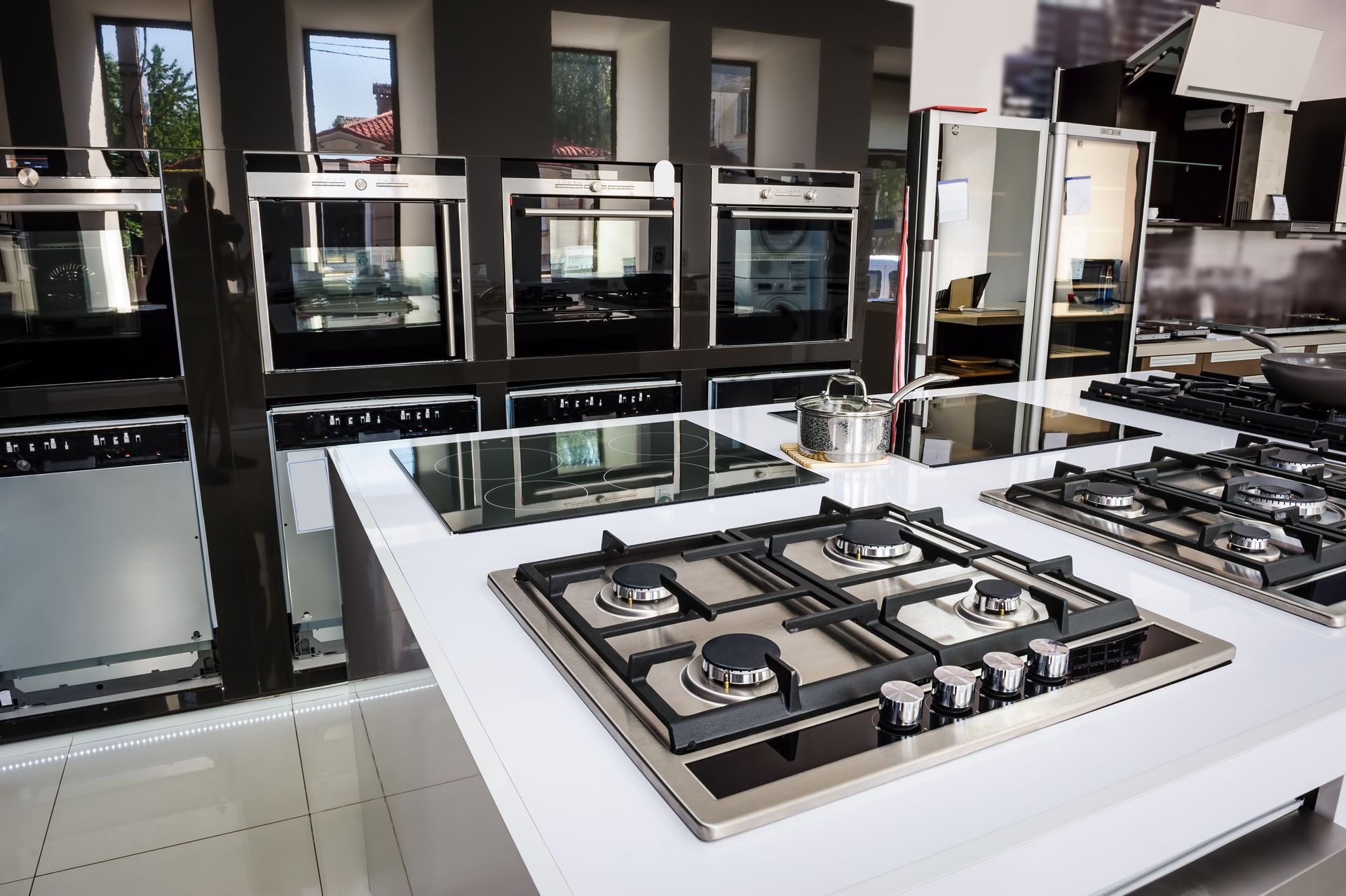
Stoves and ovens typically experience malfunctions like uneven heating or faulty igniters. An oven that doesn’t heat evenly might result from outdated elements or improper calibration. Igniter problems can render gas stoves ineffective, necessitating quick and often simple repairs. Regular maintenance, such as cleaning burners and checking seals, can avoid these issues. Quick identification and addressing of minor faults can prevent them from escalating into major repairs.
Weighing the Costs of Repair
When considering
appliance repair, understanding the repair charges is essential. Costs can vary widely depending on the issue's complexity and the appliance type. Labor charges usually form the bulk of the cost, with some companies offering flat rates, while others charge hourly rates. Parts needed for repair can add additional costs, so obtaining an estimate beforehand is advisable. Comparing estimates from multiple repair services can also help in getting a competitive price.
Repairing an appliance can result in significant long-term savings. Fixed appliances often become more energy-efficient, reducing utility bills over time. By avoiding the immediate high costs of replacement, repairs conserve funds while extending the appliance’s life. Homeowners can invest savings from avoiding premature replacements in preventive maintenance and other areas of their homes. Assessing long-term savings helps in understanding the financial benefits of choosing repairs over replacements.
When considering repair versus replacement, evaluating both options' costs is crucial. Repair costs may include both parts and labor, while replacement entails the price of the new appliance and potential installation fees. Case studies often show that repairing appliances under ten years old is typically the more cost-effective choice, according to HomeAdvisor. Compare total costs and consider additional factors like the energy savings of newer models. Comprehensive cost analysis assists in making a financially sound decision.
Exploring DIY Repair Options
Opting for DIY repairs offers multiple benefits, including cost savings and personal satisfaction. Tackling minor repairs yourself can often save significantly on labor costs. Successfully fixing an appliance provides a sense of accomplishment and boosts confidence in handling future issues. DIY repairs provide greater understanding and control over appliance maintenance. However, assessing the complexity of the issue before embarking on a repair project is essential.
While DIY repairs offer advantages, they also come with inherent risks. Attempting repairs without a full understanding can result in more significant damage, leading to costlier professional repairs later. Certain repairs may void any existing warranties, precluding future covered repairs. Safety risks are also potential complications of self-repairs, necessitating caution and reasoned judgment. Understanding these risks helps weigh the benefits of DIY repairs against potential downsides.
Having the right tools makes a crucial difference in DIY appliance repair projects. A basic toolkit for DIY repairs should include screwdrivers, multimeters, pliers, and wrenches. Specific projects may require specialized tools, depending on the appliance type and repair complexity. Investing in quality tools enhances your repair capabilities and minimizes project difficulties. Knowing which tools to use helps prepare for successful DIY repairs.
Choosing whether to repair or replace an appliance involves a multifaceted decision-making process weighing costs, environmental impacts, and personal abilities. By thoroughly understanding the lifespan of appliances, identifying problems, considering financial implications, exploring DIY possibilities, consulting professionals, and anticipating future trends, homeowners can make informed decisions that best suit their needs and circumstances.
Thoughtful consideration can lead not only to cost savings but also to a more sustainable lifestyle. With the appropriate knowledge and guidance, repairing appliances becomes a strategic, practical, and eco-friendly choice. Embracing a repair-centric approach ultimately contributes to a more sustainable future for both homeowners and the environment. For more information about professional appliance repair, contact Bay Area Appliance Inc today.