July 10, 2026
Purchasing new household appliances can be a significant investment, and it is crucial to gather all necessary information before making a final decision. Engaging with a knowledgeable house appliance dealer allows consumers to clarify essential details regarding product specifications, pricing, and warranty options. This guided preparation helps buyers align their choices with their household needs, budget constraints, and long-term lifestyle requirements. By addressing specific technical and logistical questions upfront, homeowners can make well-rounded purchasing decisions while mitigating future uncertainty and buyer's remorse.
Evaluating the expertise and policies of your house appliance dealer ensures a seamless acquisition process from selection to installation. Industry professionals can offer valuable insight into brand reliability, technological features, and operational efficiency. The following sections outline the critical inquiries and considerations necessary to optimize your next major appliance purchase.
Understanding Technical Specifications
Energy efficiency ratings are a primary factor when selecting household appliances due to their long-term financial and environmental impact. When questioning your house appliance dealer, inquire about Energy Star certifications or equivalent ratings that indicate superior operational performance. An informed dealer can explain how different energy efficiency tiers impact annual utility expenses, helping you identify which model offers the best financial return over its operational lifespan.
Ensuring that a new unit physically fits within the designated home environment requires measurements of dimensions and capacity. It is highly beneficial to discuss household size and usage habits with the dealer to confirm that a model's capacity matches daily demands. Accurate spatial and volumetric planning prevents structural compatibility issues during delivery and avoids the performance inefficiencies associated with overestimating or underestimating capacity needs.
Material quality, structural durability, and safety features must also be thoroughly vetted before finalizing a purchase. Materials such as stainless steel or reinforced glass directly affect the aesthetic longevity and maintenance requirements of an appliance. Additionally, confirming the presence of robust safety mechanisms, including child locks, automatic shut-off capabilities, and overheating protection, guarantees that the new machinery operates safely within a family residence.
Analyzing Warranty Coverage
A comprehensive warranty serves as a vital assurance of product reliability, making its duration and scope essential points of inquiry with a house appliance dealer. Warranty lengths vary significantly between manufacturers, typically ranging from one to five years. Understanding what constitutes normal wear versus a manufacturer's defect allows buyers to maintain accurate expectations regarding potential out-of-pocket repair costs.
It is equally important to clarify the exact terms of warranty coverage, specifically distinguishing between parts, labor, and component-specific exclusions. Certain complex appliances may feature extended warranties on core elements, such as compressor motors or digital control boards, while excluding secondary components. Knowing which actions or unauthorized service interventions could void the warranty protects the consumer from unexpected financial liabilities down the line.
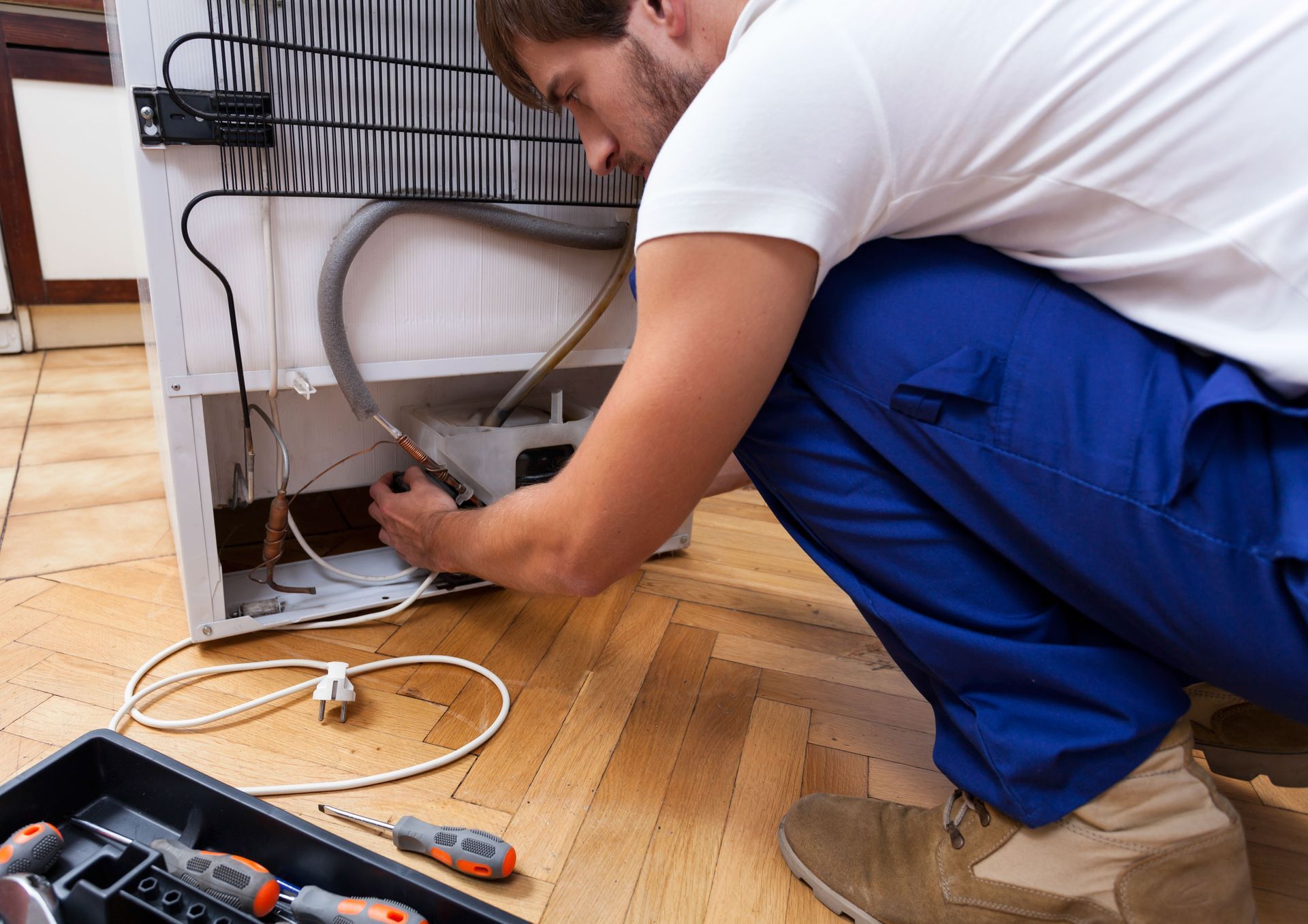
The accessibility of authorized service networks further influences long-term product satisfaction. Buyers should verify whether the dealership manages an internal repair team or relies on third-party certified technicians. Choosing brands supported by well-distributed, local authorized service centers ensures prompt assistance and minimizes operational downtime when maintenance or component replacements become necessary.
Navigating Financing Options
Discounts, seasonal promotions, and package deals can significantly reduce the total cost of acquiring major household equipment. A proactive house appliance dealer often provides exclusive pricing or rebates during specific promotional events or bundled purchasing arrangements. It is prudent to confirm that discounted or floor-model items retain their full manufacturer warranties before committing to a purchase based solely on upfront savings.
Many dealerships offer flexible payment structures, interest-bearing financing, or lease-to-own programs to make high-cost appliances more accessible. When reviewing these options, buyers must meticulously evaluate the associated interest rates, administrative fees, and total buyout costs over the life of the loan. Clear financial transparency prevents long-term economic strain and ensures that promotional financing aligns with the buyer's budget.
A dealer's return, refund, and price-matching policies offer an additional layer of consumer security. Understanding the exact timelines, potential restocking fees, and condition requirements for returning an unsatisfactory item prevents future frustration. Furthermore, leveraging price-matching policies against verifiable competitor pricing allows consumers to maximize cost efficiency without compromising on dealer service quality.
Coordinating Installation Services
Delivery and installation logistics require precise coordination to ensure that new appliances are integrated safely into the home. According to HomeGuide, installing an oven-and-stove range takes between 1.5 and 3 hours on average, based on whether it is a replacement or a fresh installation. Discussing these specific timeframes and labor requirements with your provider ensures adequate scheduling and prevents logistical conflicts on delivery day.
Inquiring about total installation costs, basic hookup inclusions, and potential complex structural modifications is critical for accurate budgeting. Certain appliances require specialized electrical lines, dedicated gas connections, or modified plumbing configurations that may incur auxiliary fees. Relying on licensed, factory-certified installers recommended by your dealer safeguards the machinery and preserves the validity of the manufacturer's warranty.
Responsible disposal of decommissioning units is an essential final step in the delivery process. Many appliance retailers offer old appliance removal and eco-friendly recycling services as part of a comprehensive delivery package or for a nominal add-on fee. Confirming these disposal options beforehand ensures a seamless transition, keeping local environmental compliance simple and hassle-free.
Assessing Brand Reputation
Reviewing historical customer feedback and independent product testimonials provides realistic insight into the long-term performance of specific appliance models. Evaluating aggregate reviewer consensus helps cross-reference marketing descriptions with real-world dependability. This step assists buyers in identifying chronic mechanical faults or user-interface vulnerabilities that might not be readily apparent in a showroom setting.
The market reputation of the house appliance dealer is just as significant as the reputation of the brands they carry. Established dealerships with a history of transparent communication, fair pricing, and responsive consumer care foster reliable, long-term support relationships. Checking consumer advocacy ratings and local business bureau records can highlight whether a dealer prioritizes client satisfaction over transactional volume.
A dealership's responsiveness to consumer complaints and product return rates speaks volumes about its post-sale commitment. Organizations that utilize dedicated support teams and provide clear channels for conflict resolution demonstrate a high level of accountability. Understanding these institutional behaviors helps consumers select a partner capable of efficiently resolving rare manufacturing defects or delivery errors.
Integrating Future Innovations
Modern sustainability credentials and smart home system integration are increasingly vital considerations for future-proofed properties. Buyers should evaluate whether an appliance features advanced automation compatibility, allowing it to sync smoothly with existing home management networks. These interconnected systems optimize energy consumption, enable remote monitoring, and enhance daily operational convenience when properly configured.
Inquiring about firmware upgrade pathways and the long-term availability of certified replacement parts further protects your capital investment. Forward-thinking manufacturers design products that accept digital performance updates, extending the operational relevance of the appliance as technology shifts. Ensuring a stable supply chain for spare components prevents early product obsolescence due to minor part shortages. This strategic oversight empowers homeowners to maximize device lifespans and maintain baseline functional superiority over decades.
By executing a thorough evaluation of these diverse operational, financial, and logistical criteria, consumers can approach the marketplace with absolute confidence. Detailed consultations with industry specialists resolve underlying concerns before any financial commitments are finalized. Methodical preparation translates complex technical parameters into clear, actionable choices that enhance household efficiency. For more information about the services that we offer, reach out to our incredible team at today!