October 22, 2026
Purchasing a new appliance is an exciting home improvement investment, bringing enhanced convenience, modernized features, and elevated energy efficiency to your household. However, the true success of your investment depends heavily on what happens the day it arrives at your doorstep. Preparing your living space, inspecting the physical shipment, and coordinating a proper setup are critical responsibilities that ensure a smooth transition. Taking a proactive and organized approach during delivery day prevents accidental property damage, eliminates costly installation delays, and sets the stage for optimal, long-term performance across all your household machinery.
Preparing the Delivery Space
Before the logistics truck arrives, completing thorough logistical preparation throughout your home is vital for a stress-free delivery process. Start by carefully measuring every doorway, hallway, stairwell, and tight turn along the entry path to ensure your new appliance can pass through without obstruction. Clear the entire route of potential safety hazards, including loose floor mats, children's toys, hanging decor, and misplaced furniture. Providing clear, unobstructed access allows delivery personnel to move heavy, bulky equipment safely, minimizing the risk of personal injury or accidental scuffs to your walls and doorways. In addition, ensure all entryways and interior corridors are brightly lit so technicians can spot subtle steps, thresholds, or narrow obstacles easily.
Protecting your interior surfaces is another non-negotiable step before the delivery team steps foot in your home. Heavy appliances can easily scratch delicate hardwood, crack ceramic tiles, or tear vinyl flooring if moved without proper floor coverings. Lay down heavy-duty cardboard, padded moving blankets, or specialized neoprene floor runners along the entire path from the front door to the final installation site. Securing these protective barriers in advance shields flooring from grit, moisture, and high-pressure weight. Additionally, verify that all necessary utility connections, such as grounded electrical outlets, gas shut-off valves, and water supply lines, are accessible, clean, and fully operational prior to the crew's arrival.
Inspecting the Shipment
The moment your package arrives, conducting a comprehensive visual inspection is crucial before accepting the delivery or signing official paperwork. Carefully unpack the unit alongside the delivery personnel and closely examine all exterior surfaces for signs of shipping damage, such as deep scratches, dented metal side panels, or chipped enamel. Document any visible imperfections immediately by taking high-resolution photographs from multiple angles and making detailed written notes directly on the delivery receipt. Identifying and reporting transit damage right away protects your rights as a consumer and simplifies future replacement or damage claim processes with the retailer.
After reviewing the physical condition, verify that the exact model number, dimensions, color, and technical specifications match your original purchase invoice. High-efficiency units and specialized kitchen units often require precise spatial configurations, so double-checking these details prevents long-term spatial or electrical mismatches. According to HomeAdvisor, it's usually worth repairing appliances that are under 10 years old and still in otherwise good condition, making it even more vital to verify that your brand-new purchase arrives in flawless physical condition to maximize its decade-long lifespan. Confirming model details immediately ensures you receive the exact product you paid for without operational compromises.
Finally, open all access doors, drawers, and compartments to verify that all included accessories, hardware, power cables, and installation components are present and intact. Check for essential items such as connection hoses, internal shelving, leveling legs, and user literature. If any core components are missing or broken, inform the delivery crew and contact customer service right away to request immediate replacement parts. Taking time to complete a thorough inventory inspection establishes a verified baseline, guaranteeing that your new appliance is completely intact and ready for daily use.
Managing Professional Installation
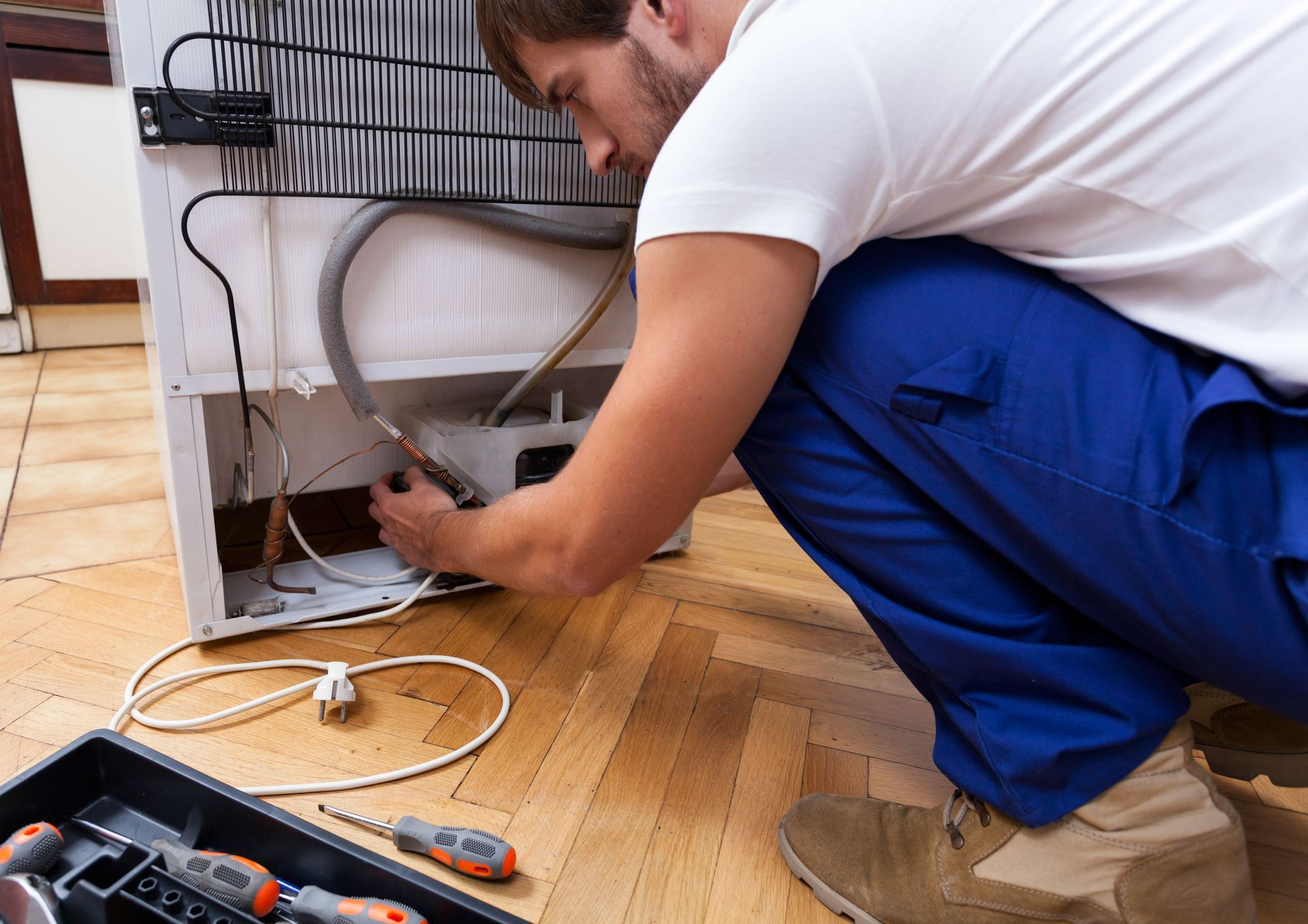
While DIY projects can be rewarding, hiring certified professionals to handle complex installation tasks is always recommended for heavy household units. Professional installers possess the specialized tools, industry training, and technical expertise required to configure complicated electrical wiring, plumbing hooks, and gas lines in full compliance with local safety codes. Before allowing any work to begin, verify that the technician is certified and authorized to work on your specific brand. Working with qualified experts protects your household against dangerous gas leaks, electrical shorts, or severe water damage while keeping your manufacturer warranty valid.
Clear communication with your installation technician before work begins helps ensure a custom fit tailored to your home's unique layout. Point out any specific architectural constraints, hidden plumbing lines, or peculiar outlet locations that might impact how the unit sits in the space. Discussing these physical parameters allows the installer to select the right fittings, adapters, and ventilation configurations for optimal operation. Active collaboration minimizes service errors and ensures that the unit integrates seamlessly into your kitchen or laundry room setup.
Before the installation crew departs, review all documentation related to service guarantees and labor warranties. Obtain a written record detailing the work performed, including any safety tests conducted on gas or water connections. Securing a clear installation warranty ensures that you are fully covered without extra out-of-pocket costs should minor leaks, leveling imbalances, or loose connections appear within the first few weeks of operation. Professional installation management delivers total confidence, ensuring your equipment operates safely and reliably from day one.
Executing Initial Calibration
Once your new appliance is safely in place and connected, dedicate time to reading the user manual before starting your first cycle. Manufacturer guidelines contain vital information regarding proper operating procedures, initial setup routines, and recommended cycle choices. Reading the manual helps you understand control panel interfaces, warning indicators, and safety features, reducing the risk of accidental misuse. Becoming familiar with these core functions early allows you to operate your equipment efficiently while avoiding common user errors that lead to premature wear.
Next, perform all initial calibration procedures specified by the manufacturer to tailor performance to your household environment. For example, level refrigerator feet to guarantee proper door seals, calibrate internal temperature controls, or program water hardness settings on dishwasher units to optimize detergent usage. Correct initial adjustments protect internal compressors, pumps, and motors from working harder than necessary, extending their overall operational life. Testing standard cycles immediately following calibration confirms that heating elements, water valves, and drain systems function flawlessly.
If your purchase includes smart technology or Wi-Fi capabilities, complete the network setup and install any pending software or firmware updates via the official mobile application. Manufacturers regularly issue firmware patches to refine energy efficiency, enhance digital security, and eliminate software bugs. Finally, register your product online using the serial number and proof of purchase. Registering your warranty immediately activates full manufacturer coverage, secures your service rights, and ensures you receive crucial safety alerts or software updates directly from the brand.
Establishing Ongoing Upkeep
Maintaining long-term efficiency requires establishing a proactive, preventive care routine standard right from the day of arrival. Consult your owner's manual to build a realistic maintenance calendar that outlines weekly, monthly, and seasonal upkeep tasks. Regularly cleaning internal filters, wiping down door gaskets, and inspecting water lines prevents minor debris build-up from causing major mechanical failures or drainage blockages. Practicing consistent routine maintenance protects your financial investment, reduces overall energy consumption, and extends the practical lifespan of your household equipment.
Keeping essential maintenance supplies and spare parts on hand makes routine upkeep simple and stress-free. Stocking up on items like replacement water filters, specialized cooktop cleaners, appliance-safe descaling, or lint brush attachments minimizes downtime when routine maintenance is due. In addition, take time to educate all household members on basic operational guidelines and safety protocols. Ensuring that everyone knows how to operate control panels, load units properly, and spot unusual noises prevents user misuse and keeps equipment running smoothly for years to come.
Taking a comprehensive, organized approach to delivery, setup, and routine maintenance guarantees that your household units deliver exceptional performance for years to come. By preparing your home, inspecting shipments thoroughly, working with certified installers, and following proper calibration steps, you safeguard both your property and your financial investment. For more information about the services that we offer, reach out to our incredible team at Bay Area Appliance Inc today!