May 28, 2026
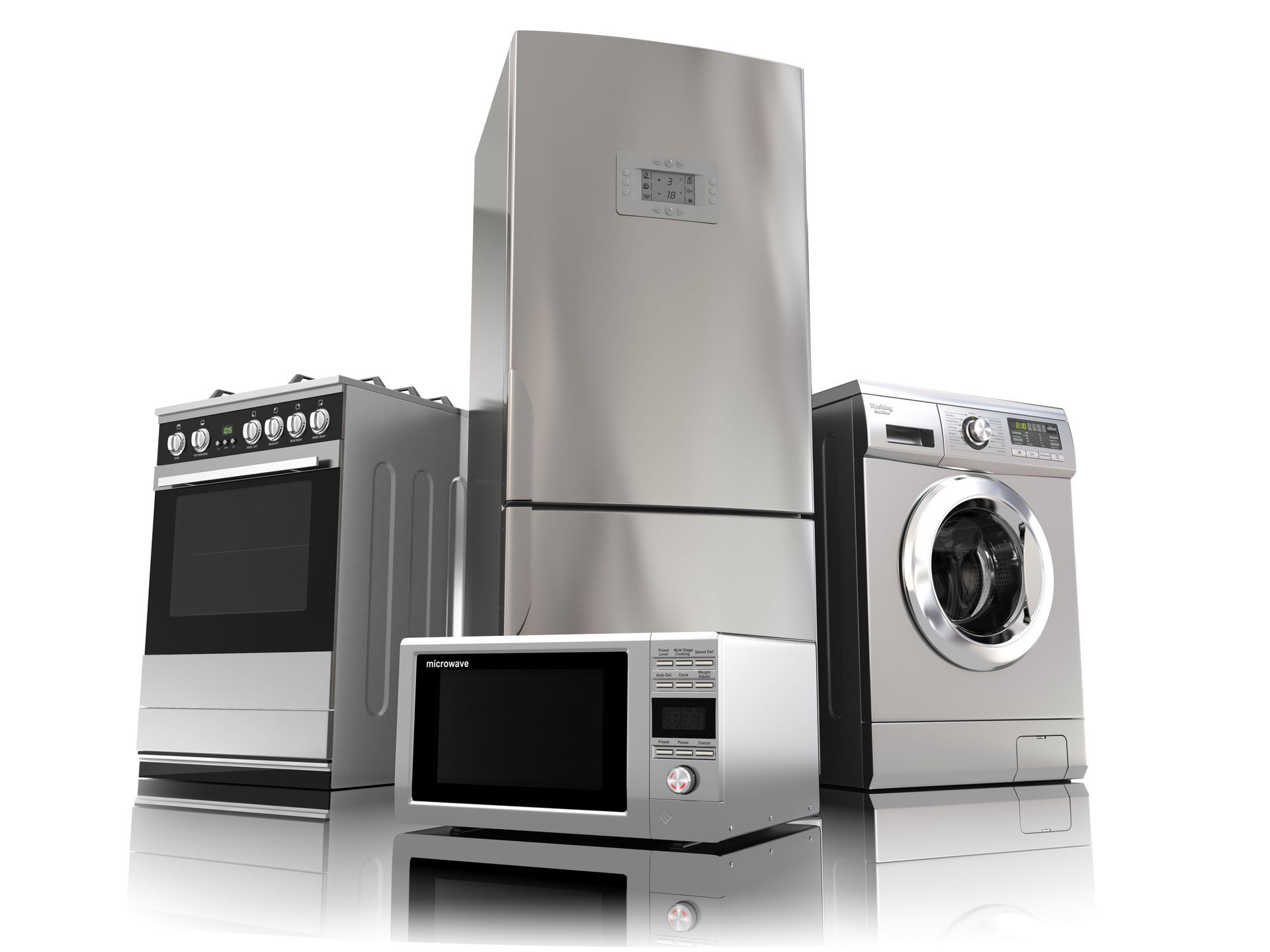
In our modern era, consumer culture is heavily oriented towards the pursuit of the newest and latest innovations. This notion of novelty often involves the rapid disposal of older products, contributing to both environmental damage and personal financial strain. Purchasing from used appliance stores offers a counter-narrative to this culture, presenting a sustainable and cost-effective alternative that aligns with contemporary values of economic prudence and environmental sustainability. This discussion aims to illuminate how selecting used appliances embodies a win-win approach, serving simultaneously personal, economic, and ecological interests.
The Economic Benefits of Buying Used Appliances
Cost Savings Compared to New Appliances
One of the most immediate economic advantages of buying from used appliance stores is the significant cost reduction compared to purchasing new. Typically, used appliances can be found at a fraction of the price of a new model, especially if you are open to trading off some features for affordability. This is an enticing option for families on a tight budget or individuals just starting on their own. By reducing the financial burden associated with buying new, the savings can be redirected to other pressing needs or investments. Economically sensible choices like these benefit not only your bank account but also the broader economy by encouraging responsible consumption.
The affordability of used appliances does not imply purchasing low-quality products. Often, buyers can access appliances that were top-of-the-line models in their time, but at a sharply depreciated price. Such purchases allow consumers to enjoy the high quality and performance once associated with premium price tags. When a consumer chooses a used appliance, the depreciation cost is largely absorbed by the original buyer, providing subsequent owners with excellent value for money. Therefore, for those seeking to maintain economic efficiency, opting for used appliances makes sound financial sense.
Lower Repair and Maintenance Costs
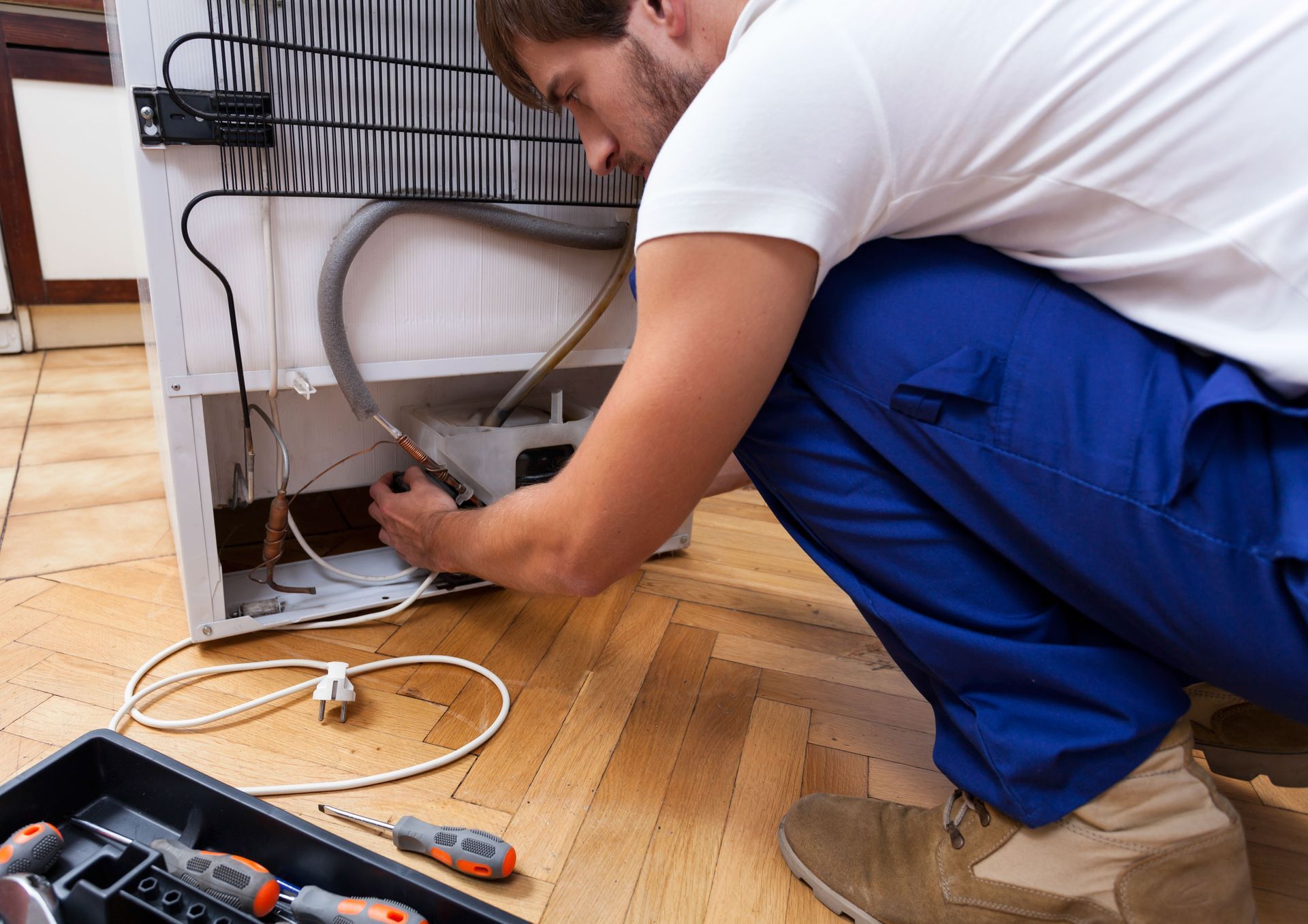
Machines from used appliance stores often feature simpler mechanics and more straightforward designs, leading to reduced potential for malfunction. This simplicity often translates into lower repair costs, as older models generally require less proprietary technology or difficult-to-replace parts. Many older appliances were constructed with durability in mind, ensuring lower maintenance needs over their lifespan. High-quality used appliances have often proven they're built to last, despite having already undergone several years' worth of use. As a result, when managed properly, used appliances can incur a lower total cost of ownership.
The reliability of older appliances diminishes concerns over expensive and frequent replacements. Moreover, local technicians might have more experience working with older models, reducing labor costs by requiring less specialized training or equipment. Buying refurbished, certified pre-owned appliances often comes with guarantees that mean repair services can be conducted at a reduced rate or may even be included for a certain period after purchase. This minimizes operating costs over time, offering peace of mind to frugal customers seeking affordable solutions.
Access to High-Quality Brands at Lower Prices
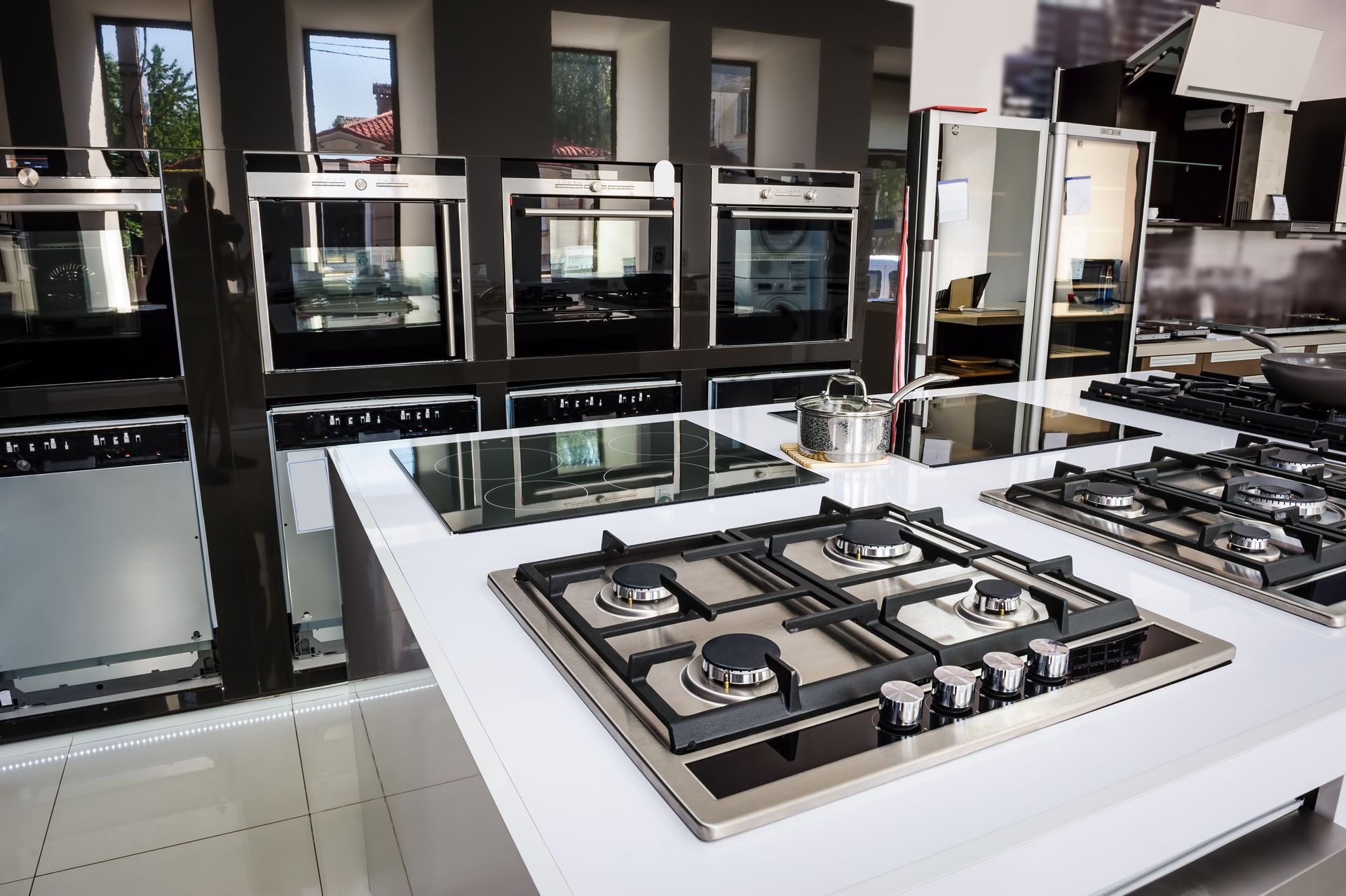
Many consumers would love to own high-quality branded appliances but are often deterred by the premium pricing. By opting for used appliance stores, individuals can acquire products from reputed brands, benefiting from features and build quality that might otherwise be financially out of reach. Instead of compromising quality for affordability, purchasing used offers a sweeter deal by making prestigious brands accessible at a fraction of their new price. This phenomenon allows average consumers the opportunity to own luxurious and high-functioning appliances without excessive financial burden.
The allure of reputably branded appliances is often their tested reliability and performance assurance. Many of these brands stand by robust production standards and offer lasting appliances that provide excellent service throughout their lifetime. For example, a renowned brand's refrigerator might be highly desired for its build quality, operational efficiency, and innovative features. According to OneDesk, in 2020, over 8 million refrigerators, many featuring these attributes, were sold in the U.S.—indicating the strong demand for reliable refrigeration solutions.
Environmental Impact and Waste Reduction
Lower Carbon Footprint
Choosing to buy used appliances plays a pivotal role in reducing one's carbon footprint, owing to the embedded emissions involved in manufacturing new products. The production and transportation of new appliances demand substantial energy and generate considerable greenhouse gases. By extending the lifecycle of existing appliances through secondary purchase, consumers can contribute positively to environmental conservation. This, in turn, slows the cycle of resource consumption and minimizes environmental degradation.
The environmental benefits derived from buying pre-owned appliances align with global efforts aimed at enhancing energy efficiency and promoting sustainable lifestyles. Consumers can take pride in the fact that their decision to buy used contributes positively to these global initiatives. Importantly, the reduction in carbon emissions achieved here reflects a collective incremental step toward a cleaner planet. More individuals choosing this path will markedly elevate the environmental impact, establishing a preference for products that reinforce green consciousness.
Reduction in Electronic Waste
The issue of electronic waste is daunting, as discarded appliances frequently contribute to untold volumes in landfills. By opting for used appliance stores, consumers extend the product lifecycle substantially, thus helping mitigate the production of e-waste. Rather than disposing of functional commodities prematurely, such insights underscore the importance of sustainable utilization cycles for durable goods. This serves to delay unnecessary disposal, thereby reducing the pressure on waste management sectors and minimizing landfill accumulation.
Every used appliance bought contributes directly to conserving waste generation, which supplements the wider effort to address this growing environmental concern. Each transaction embodies an eco-friendly action, demonstrating a real commitment to reducing the burden that disposable electronic goods place on landfills and waste systems. With the staggering number of household appliances used globally, prioritizing reuse cannot be underestimated as a function of responsible environmental stewardship.
Conservation of Resources
Conserving natural resources emerges as another ecological benefit of buying from used appliance stores. Manufacturing new appliances demands the uptake of raw materials that range from metals and minerals to complex electronic components. By purchasing pre-owned appliances, the strain on resource extraction diminishes significantly, slowing the depletion of finite resources on Earth. Such an approach embodies sustainability, encouraging the responsible utilization of available materials instead of creating a fresh demand.
Within the broader scheme of conservation, integrating used goods into normal buying habits translates to significant resource savings across industries. When fewer new appliances are demanded, production and supply chains shift focus toward refurbishing and repurposing existing goods, promoting more efficient resource cycles. This paradigm benefits not just consumers but also manufacturers investing in sustainable manufacturing processes that renew or reclaim valuable materials.
Reduction in Landfill Usage
Landfills are typically designed to manage waste with controlled environmental impact, yet they strain under the burden of modern society's disposal demands. Buying used appliances greatly assists in diverting e-waste from these landfills, progressing waste management in favor of reuse and longevity. Every pre-owned appliance renewed represents another saved from becoming prematurely obsolete.
The repercussions of extensive landfill usage include soil degradation, air and groundwater contamination, heavy resource allocation, and serious ecological harm. In this context, shrinking the appliance contribution considerably eases these pressures, helping to maintain environmental balance. By averting landfill deposits and lightening the load, individuals undergo a compelling transformation as they align with eco-conscious behavior patterns that illustrate an evolved interaction with consumer goods.
Purchasing appliances from used appliance stores represents a practical and forward-thinking alternative to the cycle of constant consumer replacement. By choosing pre-owned appliances, consumers can enjoy substantial financial savings, gain access to high-quality brands at lower prices, and reduce long-term maintenance expenses. Beyond the financial benefits, buying used appliances also supports important environmental goals. As awareness of sustainability and economic efficiency continues to grow, used appliance stores offer a meaningful solution that aligns with modern values of conservation, affordability, and mindful living. If you are in the market for environmentally and wallet-friendly appliance purchases, plan a visit to Bay Area Appliance Inc to check out an always-rotating stock.