March 27, 2026
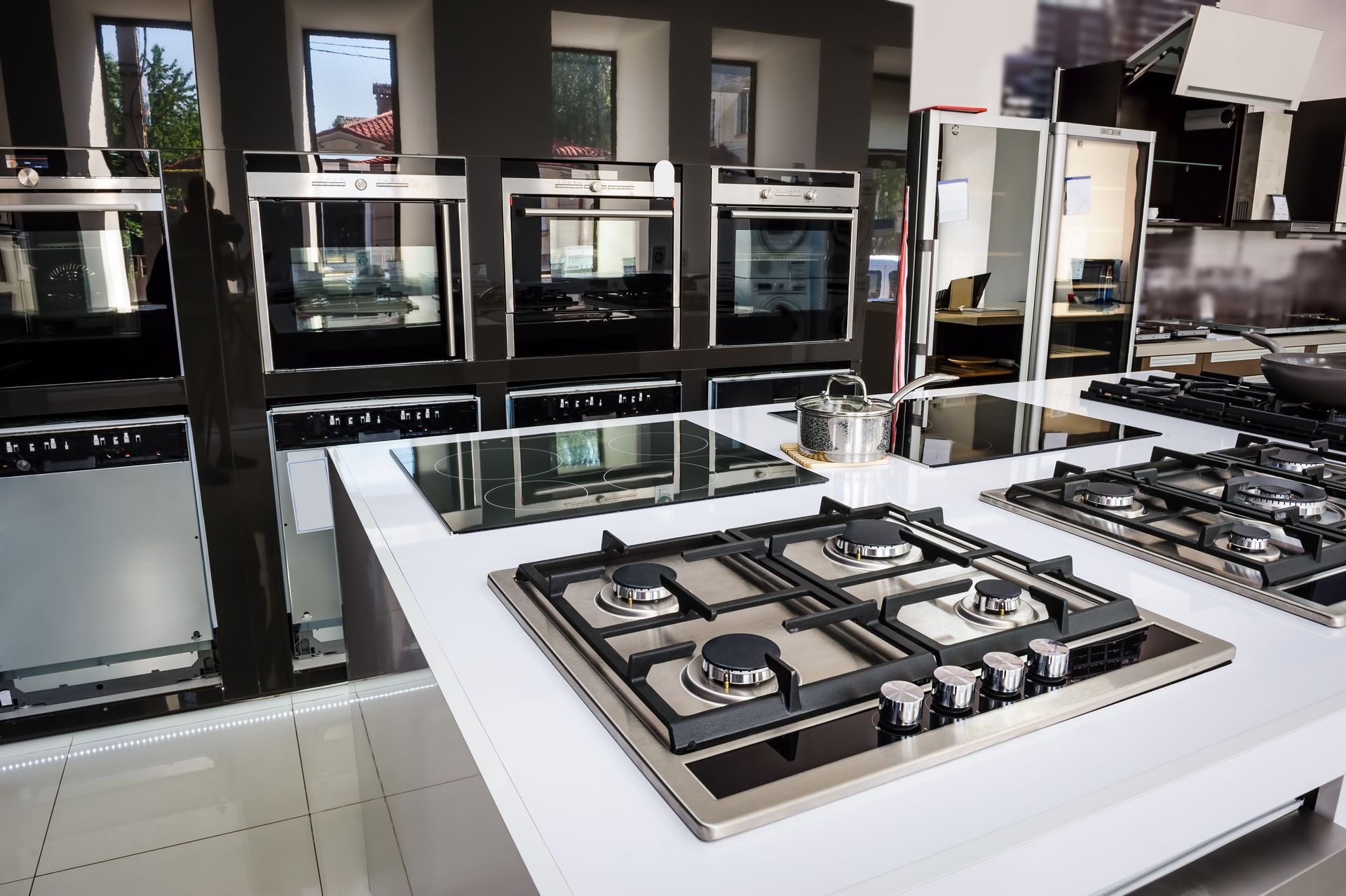
Discovering the perfect appliances for your home can be a daunting task. This guide will help you navigate important considerations when searching for new appliances, ensuring you make informed decisions tailored to your needs. Choosing the right appliance involves considering numerous factors beyond just aesthetics or brand names. Modern households require new appliances that not only fit seamlessly into their spaces but also enhance their daily lives through efficiency and reliability. As you embark on the journey to find the best fit for your home, it’s crucial to consider all elements from size and warranty to lifespan and compatibility with your lifestyle.
Measure Your Space Before Buying
The process of acquiring new appliances begins with understanding the space they'll occupy. Accurate measurements of the intended area are essential to avoid complications after purchase. Appliances that are too large can disrupt movement within a room or might not fit into the allocated space, leading to hassles like renovation or return processes. Thus, before heading to showrooms or online platforms, measure the height, width, and depth of the area as well as the doorways and hallways leading to it. This ensures the seamless integration of your new appliance without the need for alterations to your living spaces.
Besides avoiding the pitfalls of an ill-fitting purchase, measuring your space also allows for an aesthetically pleasing layout. With accurate dimensions in hand, homeowners can creatively plan the setup of their kitchens, laundries, or any other areas where appliances will be installed. This forethought helps to ensure there is ample walking space and that the layout is both functional and visually appealing. It's equally important to consider the future possibility of needing additional space for other appliances or home furnishings. Comprehensive measurements, therefore, afford flexibility in current and future home design plans.
Plan for Installation Requirements
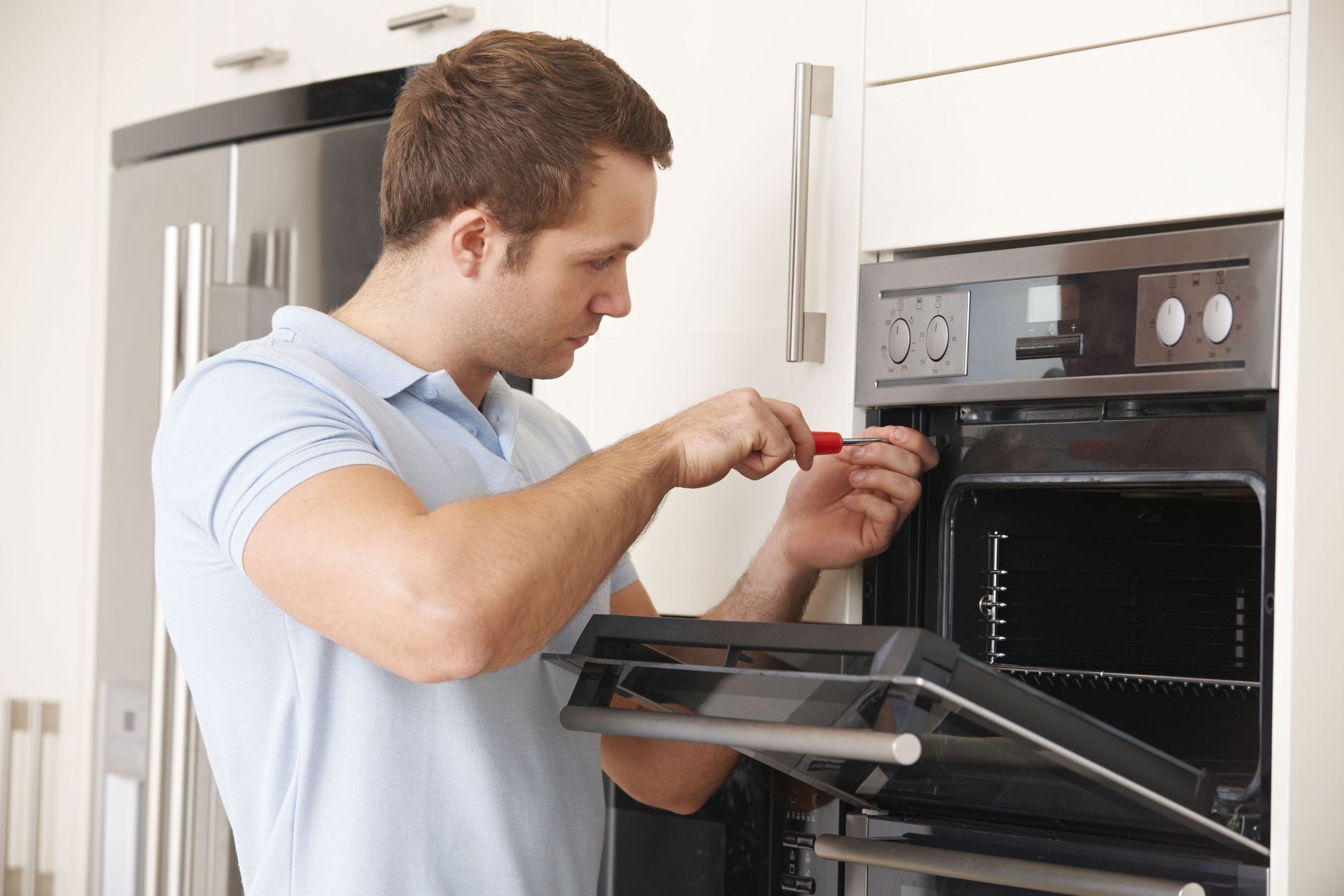
Once you have precise measurements, it's necessary to consider the installation requirements of potential new appliances. Different appliances can have varied technical needs, such as specific electrical setups, plumbing requirements, or unique ventilation systems. A clear understanding of these technical specifications will save both time and money as you prepare for your appliance installation. Checking in advance can prevent compatibility issues with existing home systems or structures. It’s important to work with qualified professionals to understand and accommodate these needs, ensuring that installations are safe and compliant with local regulations.
Installation considerations aren't limited to technical specifications but also extend to logistical aspects such as accessibility for assembly or service calls. The installation of large appliances may require the temporary removal of doors, moldings, or other structures to move them into position. Therefore, planning the delivery route within your home can prevent the risk of damage to both the appliance and the home. Furthermore, it would be prudent to consider the potential need for reinforcements in flooring if the appliance is particularly heavy, which is common in older homes. Thoughtful preparation in these areas can significantly streamline the installation process, reducing stress and potential additional costs.
Match Appliances to Your Lifestyle Needs
Beyond measurements and installation, your choice of a new appliance should reflect the unique lifestyle and everyday needs of your household. For smaller households or one with infrequent cooking, for instance, a smaller fridge might suffice, whereas a larger unit would better suit a family with multiple members. Considering a household's daily usage patterns is essential in choosing between functionalities and sizes. This step ensures that the appliance effectively complements the user's habits, whether in terms of cooking, cleaning, or entertaining guests.
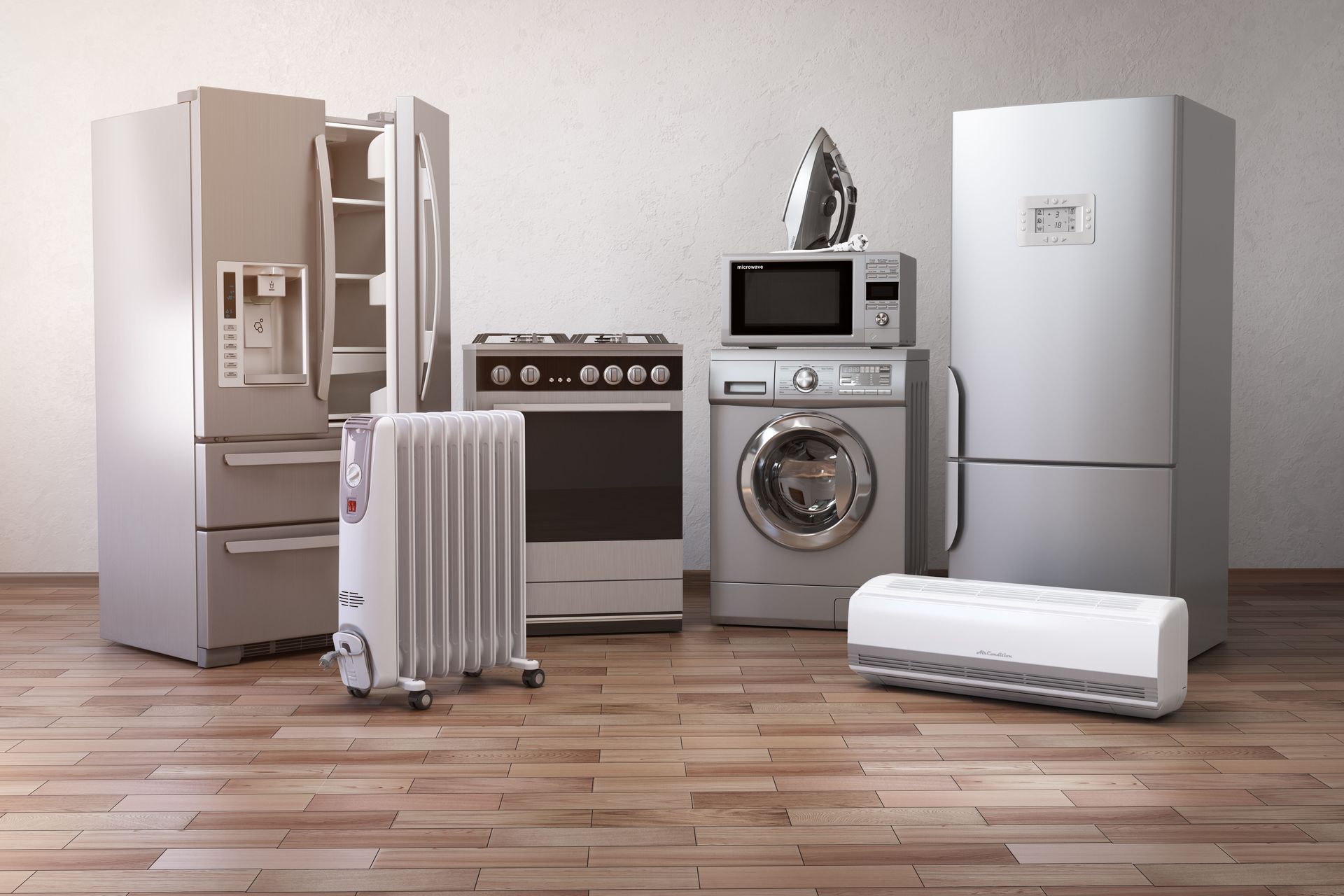
Additionally, contemplating your lifestyle needs includes taking into account potential changes or expansions in your household's routine or size. For starters, consider possibilities such as growing family size or the ability to host more guests, and how these may impact your choice of appliances. Modern lifestyles also demand innovative features in home appliances, which can deliver added convenience, such as smart technology for remote control and enhanced energy efficiency options. According to HomeAdvisor, appliances like refrigerators and washing machines typically last around 10 to 15 years with regular use. Thus, the decision should be future-oriented, aligning with the anticipated trajectory of your household’s needs over a decade or more.
Allow Space for Ventilation and Operation
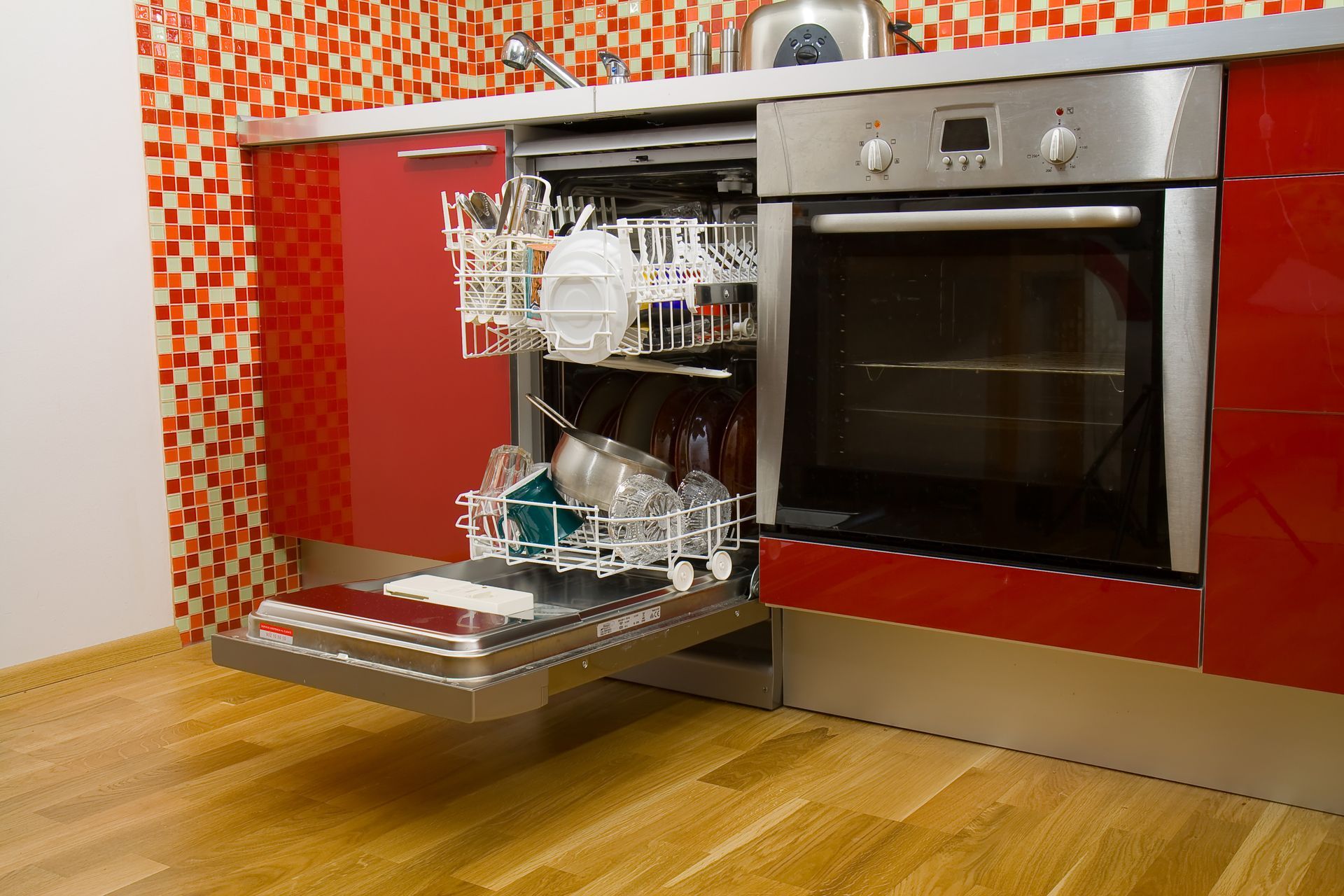
Ensuring space for ventilation and operation is an often-overlooked but vital factor in the selection and installation of new appliances. Whether gas or electric powered, all appliances need the appropriate ventilation to operate efficiently and safely. Improper ventilation can reduce the lifespan of an appliance, cause overheating, or, in extreme cases, pose safety hazards like gas leaks or fires. It's crucial to follow the manufacturer's guidelines for spacing and air circulation, allowing the appliance to function within its designed operational environment.
The operational space around an appliance also ensures accessibility for routine maintenance or emergency repairs. It's prudent to allow ample room for technicians to conduct service checkups without difficulty. Some appliances, such as washing machines or refrigerators, require space to allow for door swings or loading operations. Overlooking these spatial requirements can result in reduced appliance efficiency or even accidental damage.
Evaluate Warranty Options Carefully
The prospect of securing a good warranty for your new appliance introduces yet another layer of consideration during the purchasing process. Warranties serve as a safeguard against unexpected malfunctions or defects, providing peace of mind and value for money. They vary greatly between brands, models, and retailers, each offering different levels of coverage in terms of time frames and conditions. Understanding what is and isn't covered is essential in crafting a satisfactory safety net against potential future issues. A comprehensive warranty can offset repair costs that may arise over the appliance's lifespan, reflecting an efficient long-term investment.
When choosing the best warranty options, it's vital to weigh the cost against the potential benefits. Some warrant options may appear more enticing based on extended coverage or inclusive perks such as repair services or rebates. It's important to review these terms thoroughly, often in fine print, to see if they align with your expectations and usage patterns. Investigating the history or reputation of a manufacturer's customer service can illuminate the value of their warranty offerings. Furthermore, differentiating the terms of protection can lead to better decisions in terms of cost-efficiency, whether through direct replacement or an array of reliable repair services.
Understand Return Policies in Advance
Before finalizing your purchase of new appliances, gaining a comprehensive understanding of the store or brand's return policy is essential. Return policies vary widely and can significantly affect your satisfaction should the appliance not meet your needs or expectations. Not all policies offer the same flexibility or duration for returns or exchanges, potentially resulting in additional costs or inconvenience. Knowing your rights as a consumer allows you to make decisions with confidence, offering an essential buffer against buyer's remorse or unforeseen incompatibility.
Reading through return policy terms and conditions reveals much about the retailer's willingness to support and serve their customers beyond the point of sale. Some policies might cover return shipping fees, others might impose restocking charges, and some might only provide store credit rather than refunds. Understanding these nuances provides clarity about the financial implications should a return be necessary. Furthermore, local consumer laws may offer additional protections that are vital to know should discrepancies arise during the return process.
Choosing new appliances isn't solely about aesthetics; it involves considering various factors such as size, pricing, warranties, and modern features. By evaluating these critical aspects, you can make a well-informed decision that'll benefit your household in the long run. The integration of a well-suited appliance transforms not just chores but also elevates home experiences. It's essential, however, to recognize that thoughtful preparation, critical evaluation, and informed decision-making are key throughout the purchasing process. Reach out to Bay Area Appliance Inc to learn more today!