May 5, 2026
In today's world, dishwashers have emerged as an essential household component, revolutionizing domestic management and daily routines. Once perceived as a luxury reserved for the affluent, these machines are now increasingly important, enhancing both efficiency and sustainability within modern homes. This article explores the multifaceted benefits of automated dishwashing, examining technological breakthroughs, household efficiency, economic shifts, and environmental effects.
Beyond merely cleaning plates, the presence of a new appliance in the kitchen signifies a commitment to reclaiming time and reducing resource waste. Understanding the growing role of dishwashers helps us appreciate their integral presence in contemporary life, moving from a mechanical curiosity to a cornerstone of the sustainable home.
Understanding the Evolution of Dishwasher Technology
The concept of a mechanized dishwasher dates back to the 19th century, with Josephine Cochrane credited for its invention in 1886. Her design aimed to address the frequent breakage of fine china during manual washing. These early iterations were hand-powered and targeted at wealthy households. As electricity became widespread in the 1920s and 1930s, motorized versions began appearing in restaurants and luxury residences. However, widespread adoption did not burgeon until after World War II, when mass production made them affordable for the middle class.
The advent of stainless steel and robust interior designs in the 1960s significantly contributed to the popularity of these machines. Manufacturers began to mass-produce units that offered greater reliability and better performance, focusing on reducing noise and water consumption. By the late 20th century, the dishwasher was becoming a standard feature in Western kitchens, marking a pivotal change in domestic dynamics.
According to Grand View Research, more than 89 million American households currently own a dishwasher, which accounts for approximately 61% of the total homes in the U.S. This statistic highlights a significant market presence while suggesting substantial room for growth as more people look to integrate a new appliance into their renovated kitchens.
Integrating Smart Technology and AI
The last few decades have seen remarkable innovations, leveraging advanced algorithms for optimal cleaning. Features such as programmable cycles and soil sensors have become industry standards. These designs not only improve cleaning performance but also enhance water conservation. Smart technology is a significant driver of recent advancements, allowing connectivity with home networks and mobile devices.
Dishwashers are now capable of self-troubleshooting, identifying issues before they escalate into significant repairs. Features like remote start and usage tracking allow users to monitor activity from their smartphones. As artificial intelligence becomes more integrated, these machines can autonomously customize wash cycles based on load types and dirt levels. This minimizes resource consumption, making the process more eco-friendly than ever before.
Impacting Household Efficiency and Dynamics
The modern household thrives on efficiency, and dishwashers contribute by automating labor-intensive tasks. This automation leaves families with more time for other activities, contributing to enhanced well-being. A typical cycle frees up family members to focus on work or recreation. For working professionals, time savings represent a critical asset.
Prioritizing Energy and Water Efficiency
Modern dishwashers use significantly less water and energy than handwashing. Technological advancements have introduced half-load settings and energy-efficient drying cycles that minimize electricity use. Many models now feature inverter motors and heat pump technologies that reduce power consumption during the heating phase.
Water efficiency is particularly crucial given growing global concerns about scarcity. Dishwashers are engineered to optimize water circulation, ensuring effective cleaning with minimal wastage. Users can maximize savings by selecting versatile models with customized options. For example, a light rinse cycle can be employed for lightly soiled loads, reducing expenditure. This approach underscores that economic savings and environmental sustainability can coexist.
Reducing Manual Labor and Physical Strain
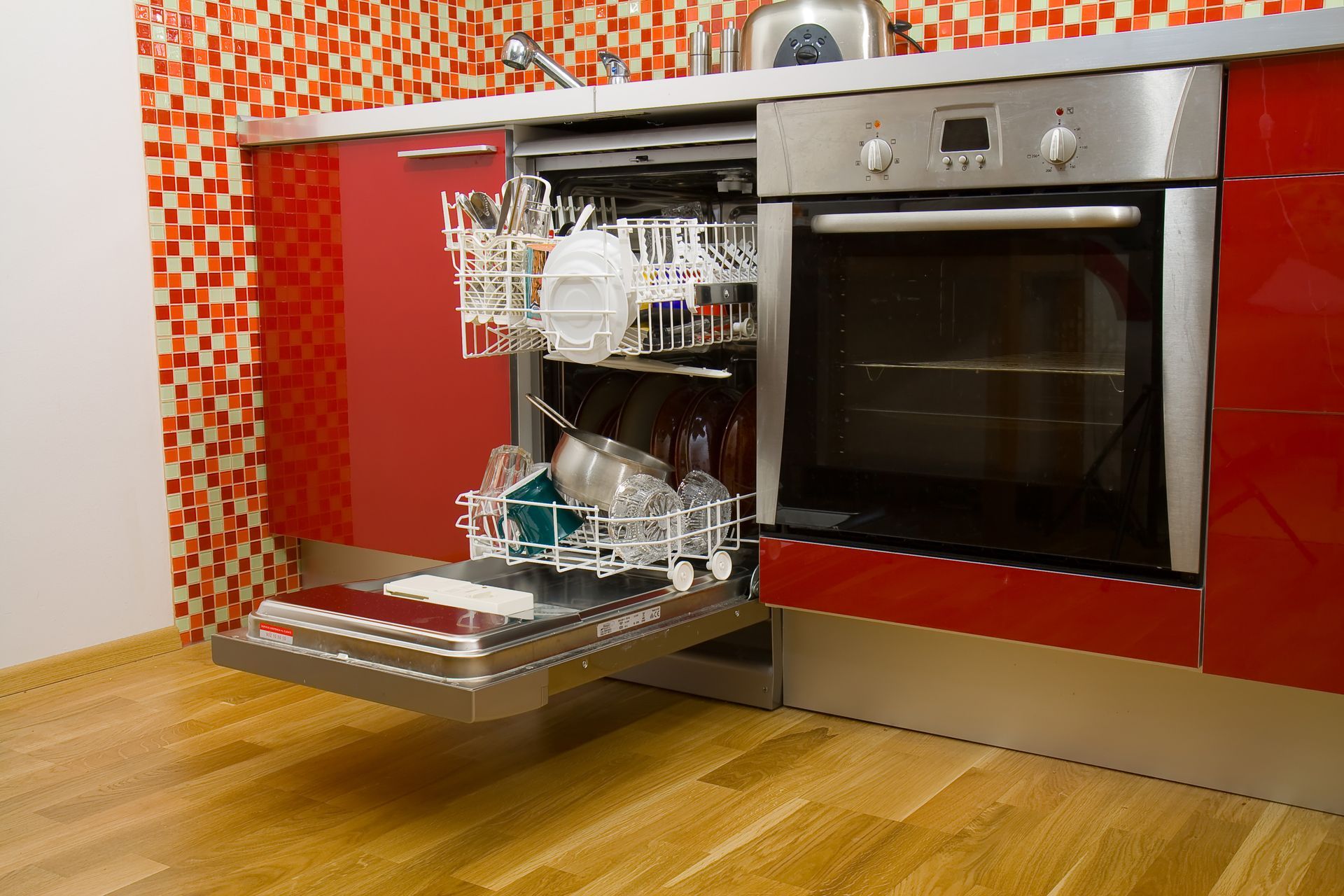
Dishwashers have fundamentally transformed domestic labor by reducing the need for manual scrubbing. This shift alleviates the physical strain associated with handwashing, especially in larger households. The convenience of automation liberates individuals from repetitive tasks, allowing for greater recuperation time. The ergonomic design of modern units, including adjustable racks and smart loading zones, ensures users do not have to strain while loading.
This evolution considers the well-being of all users, making the kitchen a more accessible space.
Improving Family Dynamics and Harmony
Dishwashers have inadvertently improved family dynamics by redistributing household responsibilities. Traditional dishwashing often fell onto specific family members, leading to discord. With automation, anyone can load and unload the machine, fostering a sense of teamwork. This shift encourages more meaningful family time, where chores do not interrupt valuable moments together. Meal preparation becomes more communal when the subsequent clean-up is handled by a new appliance, reducing the small but frequent conflicts that arise from shared living arrangements.
Evaluating Economic and Environmental Implications
The dishwashing sector has seen consistent market growth, reflecting a prioritization of convenience. The global market is projected to grow as more households recognize the value of automated cleaning. The surge in smart home technology influences these trends, as consumers desire devices that integrate with their digital ecosystems. As urbanization and dual-income households gain momentum, the demand for time-saving technology increases. Manufacturers are responding by expanding product ranges to offer affordable options that do not sacrifice features or efficiency.
Fostering Sustainability and Eco-Friendly Living
Sustainability is a critical driver of innovation in the industry. Manufacturers are focusing on minimizing energy consumption while maximizing cleaning power. Eco-friendly designs also include the use of recyclable materials and soil sensors that detect particles to adjust water usage. Many models now include an Eco Cycle, which utilizes lower temperatures and longer durations to clean efficiently. This holistic approach signals a promising trend toward making every new appliance an environmentally responsible choice.
Enhancing Work-Life Balance
Automation in the kitchen significantly contributes to a balanced lifestyle. With the trend of remote work, maintaining a clean living space without the effort of manual cleaning is critical. Offloading mundane tasks with a new appliance frees up mental energy for professional development or personal hobbies. This ease of lifestyle encourages healthier routines and reduces the stress associated with managing multiple domestic responsibilities. The economic value of the time and energy saved can be applied to personal growth, redefining how individuals perceive household maintenance.
Planning for the Future of Kitchen Automation
The industry is poised for transformative shifts. Future growth involves deeper interaction between kitchen units and other smart home devices to optimize resource allocation across the broader power grid. The development of renewable energy-powered machines remains an exciting frontier. Another promising prospect is the implementation of zero-waste initiatives, designing machines that handle reusable cleaning technologies and eliminate the need for conventional detergents.
The evolution of the dishwasher from a niche luxury to a household necessity is a testament to the pursuit of efficiency and sustainability. By automating one of the most repetitive chores in the home, these machines allow families to focus on what truly matters while significantly reducing their environmental footprint. Whether you are looking to save water, reclaim your evenings, or integrate the latest smart technology into your home, the benefits of upgrading your kitchen are undeniable.
If you are ready to experience the convenience and savings of a modern kitchen, our team is here to help you select the perfect fit for your home. Contact Bay Area Appliance Inc today to explore our selection and find the ideal new appliance to transform your daily routine.