June 15, 2026
A dependable home depends on appliances that work when people need them most. From morning coffee and clean laundry to safe food storage and weeknight meals, daily routines rely on machines working quietly in the background. When one stops performing well, homeowners may need guidance, service options, and help choosing a solution that fits their home.
That is one reason many homeowners continue to turn to an appliance store instead of treating appliance decisions as simple transactions. Appliances affect comfort, convenience, utility costs, storage space, and long-term household planning. With so many sizes, features, brands, and repair considerations available, personalized support can make the process feel more manageable.
Supporting Daily Household Routines
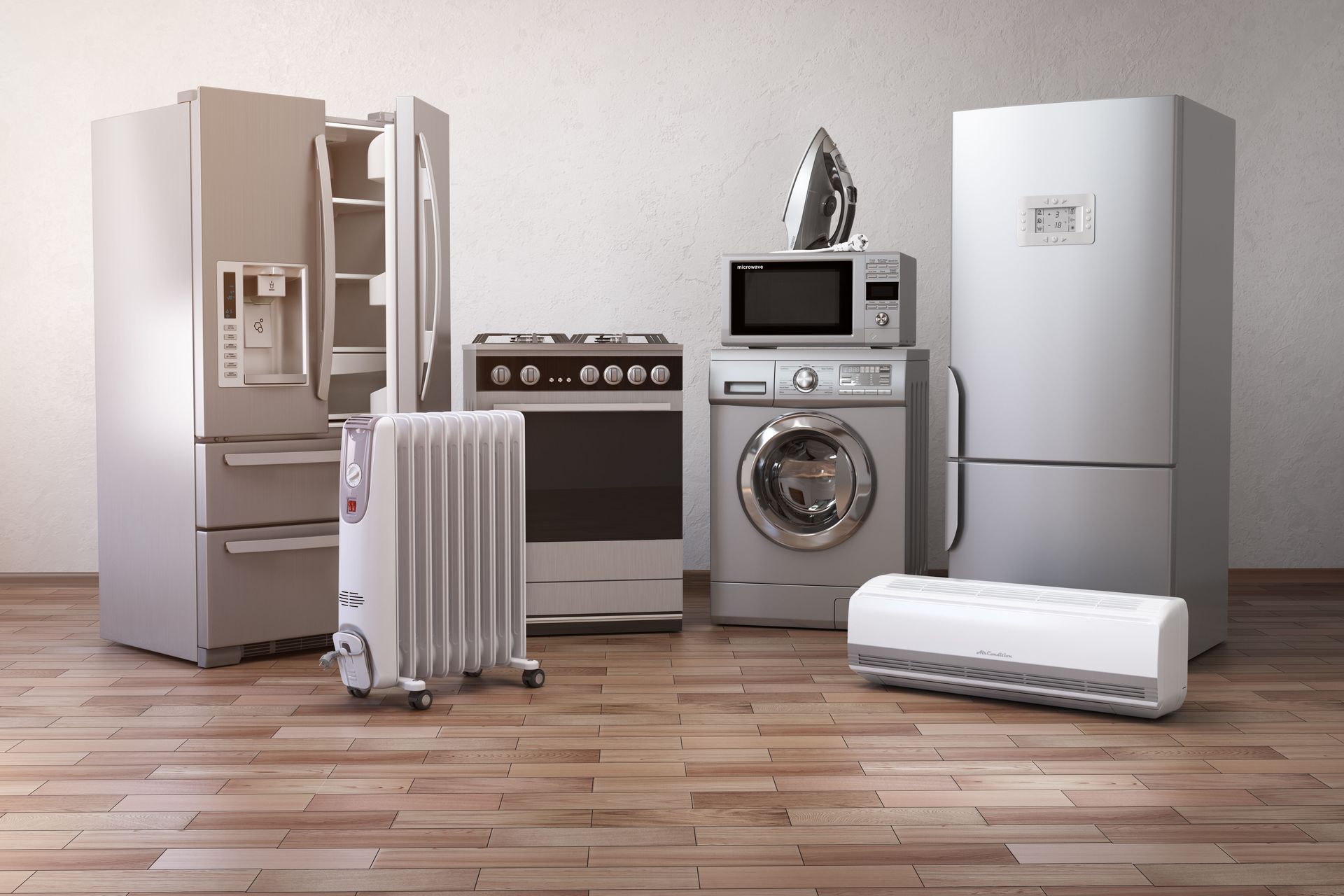
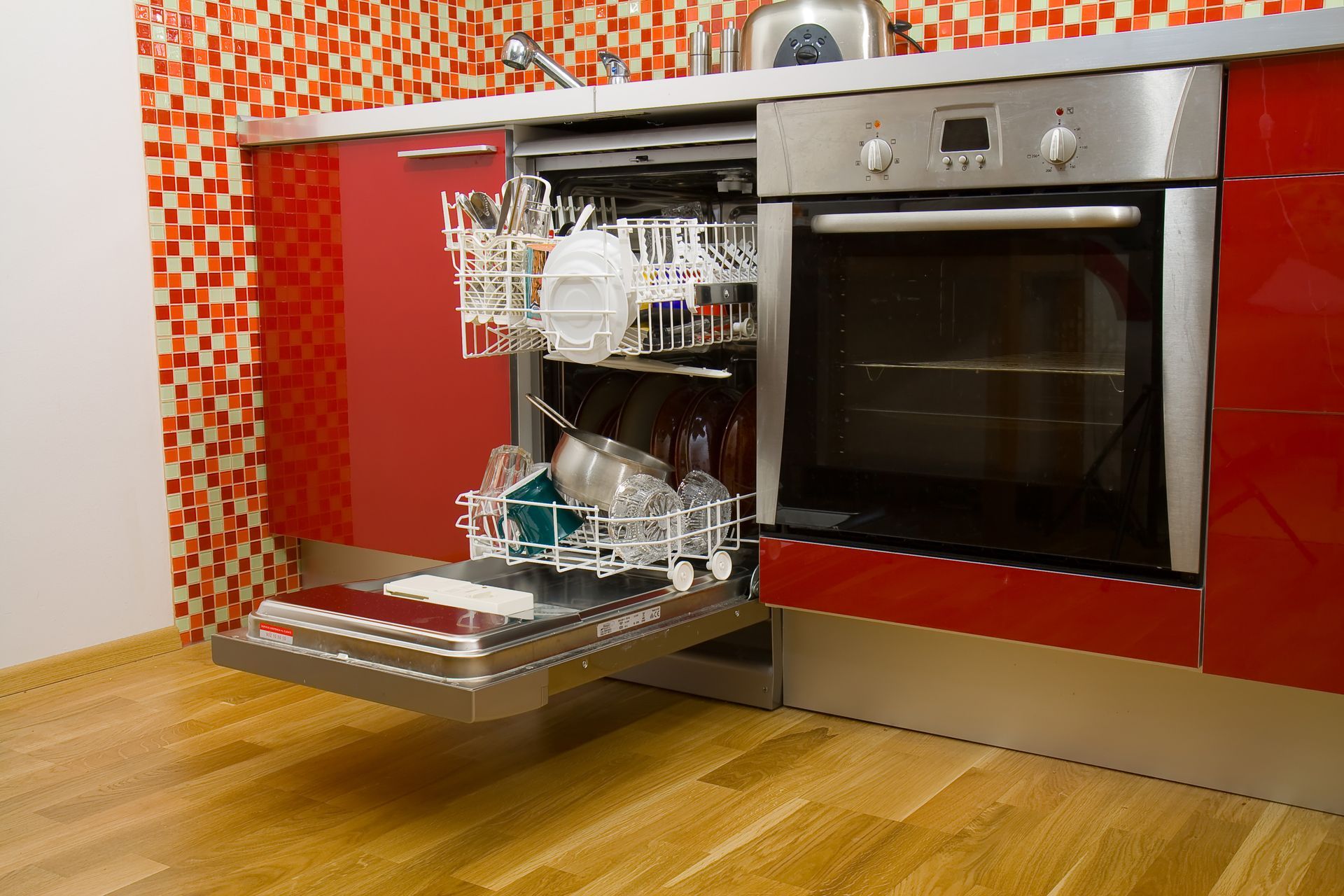
Appliances play a central role in how families manage their homes. Refrigerators protect groceries, ovens support meal preparation, washers keep clothing ready, and dryers save time during busy weeks. Even small appliances can shape daily convenience. When these tools fail, the disruption can affect schedules, budgets, and comfort almost immediately.
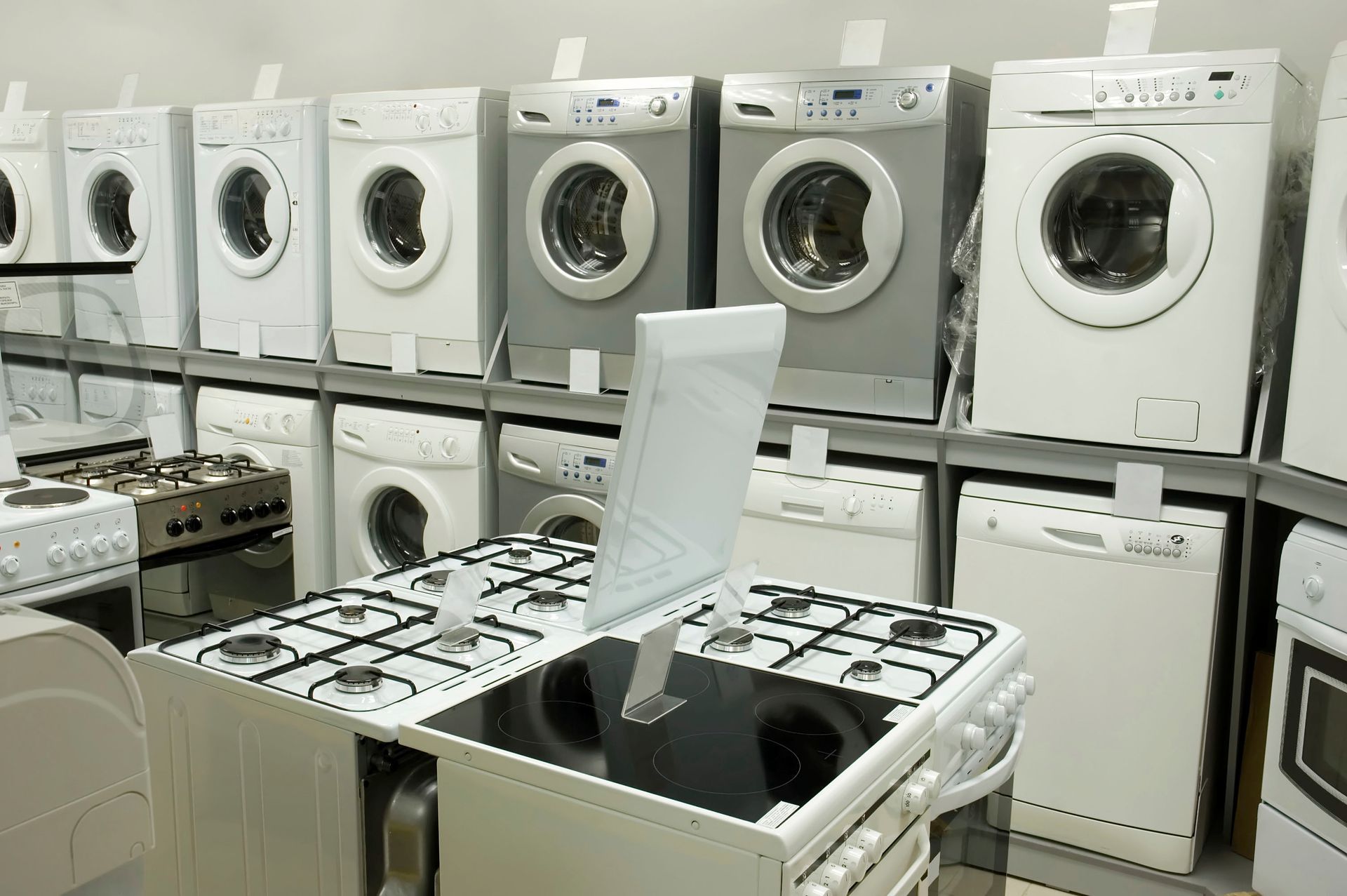
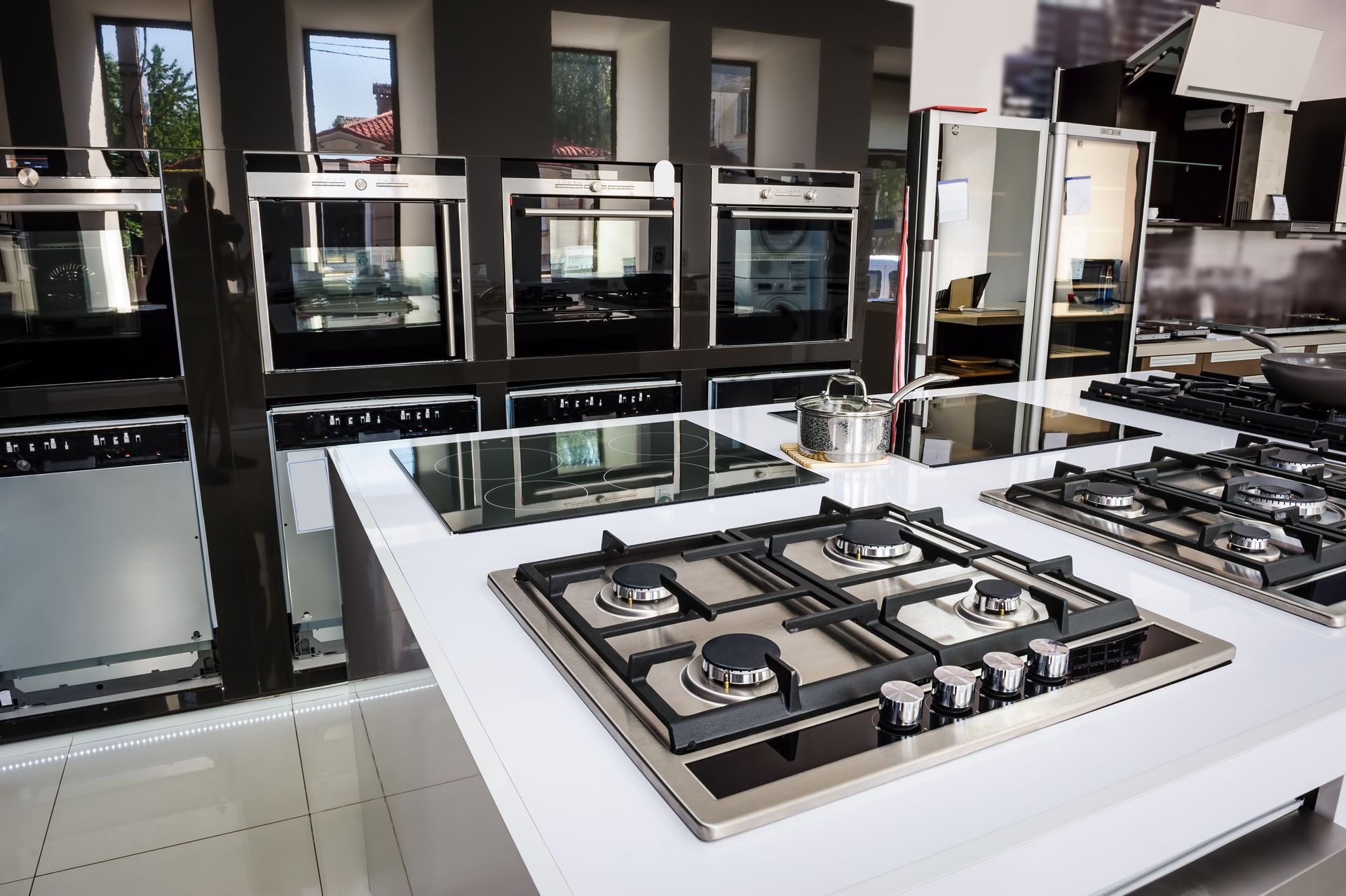
An appliance store gives homeowners a place to ask specific questions about the products they use every day. Instead of guessing which model will fit a kitchen, laundry room, or family routine, homeowners can compare options with practical help. This is especially valuable when replacing an appliance that has been in the home for many years.
Households also have different needs based on size, layout, cooking habits, and available space. A family with several children may need a different washer capacity than a single homeowner. Someone who cooks often may care more about oven performance, while another household may prioritize energy use or storage. These details matter because the right appliance should support the way the home works.
Offering Practical Product Guidance
Product selection can feel overwhelming because appliances often come with features that sound useful but may not be necessary. Smart technology, specialty cycles, custom finishes, and advanced cooking functions can help in some homes, but they may add cost without adding everyday value for every customer. Clear guidance helps homeowners separate appealing extras from practical needs.
An appliance store can explain how different models compare in real terms. This may include capacity, dimensions, maintenance expectations, installation requirements, and common performance differences. Homeowners can also ask questions about features they do not fully understand before committing to a purchase.
Guidance is also useful when homeowners are choosing between repair and replacement. If an appliance is older, inefficient, or expensive to fix, replacement may make sense. If the issue is minor, service may be the more reasonable choice. Knowledgeable professionals can help homeowners avoid rushed decisions that do not fit their budget.
According to Market.us, microwave ownership remains extremely high in the U.S. in 2025, with residential use accounting for roughly 69% of the market. This reflects how deeply appliances are woven into everyday home life. When an appliance is used often, choosing the right model and maintaining it properly becomes even more important.
Making Replacement Decisions Easier
Replacing an appliance is not always as simple as buying the first available model. Homeowners may need to measure openings, confirm electrical or gas connections, compare finishes, and think about delivery access. A refrigerator, range, dishwasher, washer, or dryer can look perfect online but still create problems if it does not fit the space or match the home’s setup.
An appliance store can help homeowners slow down and consider these details before a purchase. This can reduce the risk of choosing a product that requires unexpected changes or creates installation delays. Practical support is especially helpful for older homes, where spaces may not match newer standard appliance dimensions.
Budget is another major factor. Some homeowners want a premium model, while others need a dependable option at a lower price. Stores that offer new, used, or serviced appliances may give customers more flexibility. This can help homeowners who need a fast replacement but still want to make a thoughtful decision.
Connecting Service With Long-Term Value
Service is one of the most important reasons homeowners rely on an appliance store. Appliances are not one-time purchases that disappear into the background forever. They may need maintenance, repair, installation, parts, or troubleshooting over time. Having one place to call can simplify the process when something goes wrong.
A store with service knowledge can help homeowners understand common issues before they become bigger problems. Strange noises, uneven heating, leaking, poor drying, or inconsistent cooling may point to parts that need attention. In some cases, a repair can extend the life of the appliance and delay replacement.
Long-term value also depends on proper setup. An incorrectly installed dishwasher, dryer, or refrigerator can affect performance and safety. Professional guidance helps homeowners avoid issues tied to ventilation, leveling, water connections, or electrical compatibility. This support can protect the investment and improve day-to-day use.
Homeowners may appreciate working with people who understand the products they sell and service. When a store can help with both selection and follow-up care, customers do not have to start over with a new provider every time a question or issue comes up.
Helping Homeowners Compare New and Used Options
Many homeowners visit an appliance store because they want choices that fit their financial situation. New appliances can offer updated features, warranties, and current efficiency standards. Used appliances may provide a more affordable solution, especially when they have been inspected, serviced, or prepared for resale.
The right choice depends on the household’s priorities. A homeowner remodeling a kitchen may prefer matching new appliances with updated finishes. Someone replacing a broken laundry appliance unexpectedly may care more about availability, price, and reliable function. Both situations are valid, and both benefit from clear guidance.
Used appliances can be helpful for rental properties, starter homes, secondary kitchens, or temporary needs. They can also support homeowners who want to avoid overspending when a practical option will do the job. However, it is important to understand condition, age, service history, and expected performance before buying.
A knowledgeable appliance store can help customers evaluate these details. Instead of focusing only on price, homeowners can ask whether an appliance is suitable for their space, usage level, and long-term plans. That kind of comparison can lead to a more satisfying purchase.
Creating a More Convenient Customer Experience
Convenience matters when appliances affect daily life. Homeowners may not have time to visit several retailers, compare endless online listings, schedule separate service calls, and coordinate installation on their own. A local appliance store can bring many of those steps together.
A broken refrigerator, oven, washer, or dryer can interrupt normal routines in a way that feels urgent. Having access to product options, service knowledge, and scheduling support can make the situation less stressful.
A store experience also gives homeowners a chance to ask follow-up questions. They can discuss delivery, removal of old appliances, warranty details, repair availability, and maintenance recommendations. These practical details often matter just as much as the appliance itself.
For many homeowners, the value of an appliance store comes from the combination of products, service, and guidance. Appliances are part of everyday comfort, and choosing them well can support a smoother home routine. When homeowners have a knowledgeable place to turn, they can handle repairs, replacements, and upgrades with more confidence. Call Bay Area Appliance Inc today to schedule your appliance service or consultation.